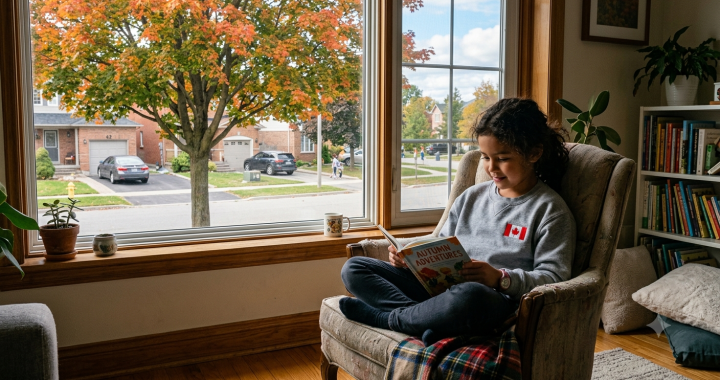
As your child grows, there comes a turning point every Canadian parent faces: the transition to independence. You might find yourself asking, “Can I leave my 10-year-old alone while I run to the grocery store?” or “Is it legal for my middle-schooler to be home after school by themselves?”
The shift toward self-care is an exciting milestone, but it brings up a lot of legal, safety, and emotional questions.
This comprehensive guide breaks down the legal age requirements across Canada, how to gauge your child’s maturity, and how to get them fully prepared using convenient online home alone safety training.
🏛️ The Legal Side: What Does Canadian Law Say?
Many parents are surprised to learn that there is no single federal legal age at which a child can be left home alone in Canada. Instead, the rules vary significantly depending on the province or territory you live in. In fact, only a few provinces explicitly state a minimum age in their child welfare legislation:
Manitoba: Legally requires children to be at least 12 years old before they can be left unattended.
New Brunswick: Also specifies a minimum age of 12 years.
Ontario: The Child, Youth and Family Services Act states that a person who has charge of a child less than 16 years of age cannot leave them without making provision for proper care or supervision. While it doesn’t mean a 13-year-old can never be alone, it puts a high legal responsibility on the parent to ensure the child is safe and not “at risk.”
What about the other provinces?
In British Columbia, Alberta, Saskatchewan, Quebec, and the Atlantic provinces, the law is technically “silent” on an exact number. Instead, child protection laws focus on neglect and safety.
If a child is left in a situation that endangers their well-being, a parent can be held legally accountable, regardless of the child’s age. Case law and Canadian courts have generally ruled that children under 10 years old do not have the cognitive capacity to handle emergencies safely on their own.
📋 At What Age Can I Leave My Child at Home Alone?
Because the law relies heavily on context, Canadian safety organizations provide these standard recommendations for various age groups:
Under 10 Years
Should never be left home alone, even for short periods.
10 – 12 Years
Can stay alone for short daytime periods (up to 1–2 hours), provided they are mature enough and have a trusted adult nearby.
13 – 15 Years
Can stay alone for longer periods during the day or evening, but not overnight.
16 Years +
Generally capable of staying alone for extended periods and managing overnight stays.
❓ Home Alone: Frequently Asked Questions (FAQs)
1. How do I know if my child is ready to stay home alone?
Age is just a number; maturity is what matters. To assess your child’s readiness, ask yourself:
- Can they follow household rules without constant reminders?
- Do they know their full name, address, phone number, and how to call 911?
- Do they understand basic first aid?Crucially: Do they feel safe and comfortable staying alone, or do they feel anxious? If a child is frightened, they are more likely to panic in an emergency.
2. Can my 11-year-old babysit their younger siblings?
The Canada Safety Council notes that being home alone is very different from being responsible for another human being. While an 11-year-old may safely manage themselves for an hour, supervising a younger sibling adds immense stress. It is recommended that children be at least 12 years old and have completed a certified Babysitting Course before looking after younger children. The Canadian Red Cross Virtual Babysitting course is an excellent, convenient option for children aged 11-15 years.
3. What rules should I set before leaving children at home alone?
Clear boundaries prevent accidents. Establish firm rules regarding:
The Door: Never open the door to anyone (even delivery drivers) unless explicitly arranged by a parent.
The Kitchen: Prohibit the use of the stove, oven, or sharp knives. Stick to no-cook snacks.
Digital Boundaries: Define what devices and websites they are allowed to use.
Check-ins: Set a strict rule that they must text or call you the exact moment they walk through the door from school.
4. Is there a course children can take to prepare to be home alone?
Yes! Preparing your child is a gradual process, and structured training makes a massive difference. One of the best Home Alone programs in Canada is The Home Alone Safety for Kids Online Course(opens in new tab) (for kids 9-13)
💻 Why Online Home Alone Training is the Best Option
Gone are the days of trying to coordinate weekend schedules to drop your child off at a community center for a safety seminar. Today, online home alone training offers interactive, expert-led safety education right from the comfort of your own living room.
The Benefits of Online Home Alone Training:
Learn at Their Own Pace: Kids can pause, rewatch, and absorb the material without feeling rushed.
Interactive Learning: Modern online courses utilize engaging videos, quizzes, and digital workbooks that keep a child’s attention far better than a standard lecture.
Done Together: Parents can sit alongside their children, allowing them to customize the safety scenarios to their specific household rules and neighbourhood.
What Online Safety Courses Teach:
A quality Canadian online safety course covers vital independence skills, including:
The responsibilities of being on your own.
- Street smarts and road safety.
- At home safety.
- Fire safety protocols, including a home escape plan.
- Accident prevention.
- Basic First Aid skills (treating minor cuts, burns, or dealing with a choking hazard).
- How to handle unexpected situations.
🚀 The Bottom Line
Giving your child the key to the front door is a proud moment, but true peace of mind comes from knowing they are prepared for the unexpected. By understanding your province’s guidelines, assessing your child’s unique maturity level, and investing in a structured online home alone safety course, you can confidently give your child the tools they need to step safely into their independence.
Are you ready to take the next step toward your child’s independence? Explore our certified, interactive online safety program today to ensure your child is prepared, confident, and secure.
Click here for Home Alone course information and a short introductory video.
