A man sits at a table in discussion with a doctor dressed in a white lab coat. In the background is a sign that reads, "Opioid addiction treatment."

Benefits of Free Opioid Addiction Treatment

​Since the public health emergency was declared in 2016, more than 30,000 people have died from opioid-related overdoses in Canada.

On June 6, 2023, British Columbia (BC) became the first Canadian province to provide universal treatment for opioid addiction. Previously, in BC, people struggling to overcome an addiction to opioids had to pay for their treatment drugs. The government has now removed financial barriers to treatment programs.

This article explores the arguments for and against providing free opioid addiction treatment.

Addiction and Opioid Use Disorder

People can become addicted to various types of opioids, including both prescription opioids and illicit drugs. Prescription opioids like oxycodone, morphine, and codeine are medications prescribed by healthcare professionals to manage pain. Illicit opioids like heroin, fentanyl, and carfentanil are obtained and used without a valid prescription. They are produced in clandestine laboratories or illegally diverted from legitimate sources.

Addiction can develop from legitimate medical use of prescription opioids and recreational or illicit use. Opioids have the potential to produce euphoria, pain relief, and relaxation, which can lead to misuse, dependence, and addiction.

Opioid use disorder (OUD) occurs when a person unsuccessfully attempts to cut down or when substance use leads to social problems and a failure to fulfill obligations at work, school, and home. OUD often occurs after the person has developed opioid tolerance and dependence, which makes it physically challenging to stop opioid use and increases the risk of withdrawal.

What does free opioid addiction treatment look like?

Treatment typically provides access to opioid agonist medications such as methadone or buprenorphine. It may also include counselling, behavioural support, and harm reduction measures without any direct cost to the individuals receiving the treatment.

Medical assessment and monitoring

Opioid agonist treatment typically begins with a medical evaluation to determine the appropriate medication and dosage for each individual. A healthcare professional will monitor the individual regularly to evaluate treatment progress, adjust dosages if necessary, and address any concerns or side effects.

Medication

Opioid agonist treatment drugs, like methadone or buprenorphine, work by occupying the same receptors in the brain as opioids and help reduce cravings and withdrawal symptoms without causing a person to get high.

Counselling and behavioural support

Addiction treatment often includes counselling and behavioural support services. These can involve individual therapy, group counselling, or support groups to address psychological and emotional health, help people develop coping mechanisms, and support long-term recovery.

A comprehensive treatment plan can offer additional healthcare services to address the holistic needs of individuals. The program may include access to primary healthcare, infectious disease screening (e.g., HIV or hepatitis C), mental health services, and social support services.

Harm reduction measures

Treatment programs often emphasize harm reduction strategies to promote the overall well-being of individuals. This service can include providing access to clean syringes, naloxone — an opioid overdose reversal medication, education on safer drug use practices, and referrals to other harm reduction services.

The specific details and structure of free opioid agonist treatment programs can vary depending on the healthcare system, country, and local resources. These programs are often implemented with input from healthcare providers, addiction specialists, and community organizations to ensure comprehensive care and support for individuals struggling with opioid addiction.

Some disagree with providing free opioid agonist treatment

There are various reasons why some people disagree with providing free opioid agonist treatment.

Moral concerns
Some individuals view opioid addiction as a consequence of personal choices and believe that providing free treatment could enable or condone addictive behaviour. They argue that individuals should bear the responsibility for their actions and that offering free treatment removes the consequences of their decisions.

Economic considerations
Critics might argue that providing free opioid agonist treatment places a significant financial burden on society. They claim that the costs associated with treatment, including medications, counselling, and support services, are too high and unsustainable in the long run. They may argue for allocating limited resources to other pressing healthcare needs.

Stigma and discrimination
Some individuals hold negative views or stereotypes about people with substance use disorders, including opioid addiction. They believe that offering free treatment encourages dependency and perpetuates the negative perception of individuals struggling with addiction. This perspective may reflect a lack of understanding of the complex nature of addiction and the potential for recovery with appropriate support.

Concerns about effectiveness
Some people question the effectiveness of opioid agonist treatments, such as methadone or buprenorphine, in addressing addiction. They may argue that providing these medications substitutes one addiction for another and does not solve the underlying issues. Additionally, critics might express concerns about the potential diversion or misuse of these medications.

Philosophical or ideological reasons
Opponents of free opioid agonist treatment may have philosophical or ideological objections to government intervention in healthcare or the concept of providing treatment as a public service. They advocate for a more limited role of government and believe that individuals should seek and pay for their own treatment.

While these viewpoints exist, the medical and public health consensus supports providing evidence-based treatment, including opioid agonist treatment, for individuals with opioid addiction. Many experts argue that offering free treatment can save lives, reduce harm, and improve public health and societal well-being.

Benefits of providing free addiction treatment

Finding the money to pay for treatment is one of the main reasons people don’t seek or get the help they need. When people can get free, safe treatment, they are far less likely to purchase illicit opioids from the toxic street drug market. Removing financial barriers and helping people get treatment leads to healthier, safer communities.

Other countries have had success with free treatment programs

Several countries have effectively implemented free opioid addiction treatment programs.

Portugal has successfully implemented a comprehensive approach to drug addiction, including opioids. In 2001, Portugal decriminalized the possession and use of drugs and redirected resources toward prevention, harm reduction, and treatment. This approach includes free access to opioid agonist treatment, such as methadone and buprenorphine, and a range of support services.

Over the years, Portugal has significantly reduced drug-related deaths, HIV transmission rates, and drug-related criminality. Portugal switched from treating addiction as a disease rather than a crime. Shifting from a criminal approach to a public health one — the so-called Portugal model — has dramatically reduced the number of heroin users in Portugal.

“You cannot work with people when they’re afraid of being caught and going to prison,” says psychologist Francisco Miranda Rodrigues, president of the Ordem dos Psicólogos Portugueses. “It’s not possible to have an effective health program if people are hiding the problem.”

Switzerland has a long history of offering free opioid addiction treatment programs, including heroin-assisted treatment. In this approach, individuals with severe opioid addiction who have not responded well to other treatments are given pharmaceutical-grade heroin under medical supervision. This program and other comprehensive treatment services have shown positive outcomes in reducing illicit drug use, improving health outcomes, and reducing criminality.

Australia has implemented various initiatives to provide free opioid addiction treatment. For example, the state of Victoria has established free community-based opioid treatment services, including access to medications like methadone and buprenorphine, counselling, and other support services. These programs have contributed to improved health outcomes, reduced overdose rates, and better retention in treatment.

These are just a few examples of countries that have successful free opioid addiction treatment programs. The success of these programs often relies on a combination of evidence-based treatment approaches, harm reduction strategies, and comprehensive support services tailored to the needs of individuals struggling with opioid addiction.

When people reach out for help, communities should offer them support. Everyone should have the opportunity and right to access free treatment for substance addiction, irrespective of income. When governments remove financial barriers to treatment, people can get the care they need to overcome their addictions, leading to safer, healthier communities.

Opioid agonist medications are cheap to manufacture. Providing free treatment medications is an inexpensive, easy, evidence-based way governments can address an urgent and deadly public health crisis.

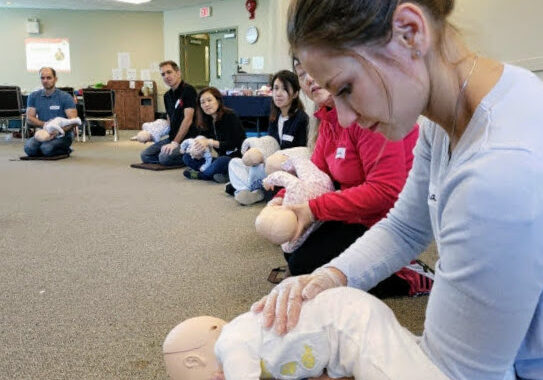
A first aid course student holding a baby CPR manikin. Emergency Child Care First Aid FAQs

Emergency Child Care First Aid FAQs

Are you a child care worker, parent, grandparent or babysitter living in the Coquitlam area? If so, you need first aid training. Red Cross Emergency Child Care First Aid & CPR B is the best course for you. Please read our Emergency Child Care First Aid FAQs, visit our Emergency Child Care First Aid page or contact us. We look forward to seeing you in one of our classes soon.

About Emergency Child Care First Aid & CPR Level B

Q: What is Emergency Child Care First Aid & CPR Level B?
Red Cross Emergency Child Care First Aid & CPR Level B is a one-day course introducing caregivers to injury prevention skills and knowledge. The class covers lifesaving first aid skills and cardiopulmonary resuscitation (CPR and AED) for children and babies. Emergency Child Care First Aid & CPR meets legislation and safety requirements for provincial/territorial early childhood education and child care workers. It is recognized by BC Child Care Licensing for child care workers and ECE students in British Columbia.

Q: Who should take Emergency Child Care First Aid & CPR B?
Emergency Child Care First Aid & CPR B is designed for child care workers and parents. Anyone caring for a baby or young child can benefit from this training, including siblings aged 12+, grandparents and adult babysitters.

Q: I am an Early Childhood Education (ECE) student. Is Emergency Child Care First Aid & CPR B the right first aid course for me?
Yes. Most ECE students take Emergency Child Care first aid & CPR B. You can confirm this with your school before registering for a first aid course.

Q: Does Red Cross Emergency Child Care first aid include CPR Level B?
Yes. The Canadian Red Cross Emergency Child Care first aid & CPR course includes CPR Level B.

Q: Does Emergency Child Care first aid include AED (defibrillator) training?
Yes. The Canadian Red Cross Emergency Child Care first aid & CPR course includes AED training.

Q: Are there any prerequisites for the Canadian Red Cross Emergency Child Care first aid course?
There are no prerequisites for the Canadian Red Cross Emergency Child Care course. Adults and children aged 12 years and up can take Red Cross Emergency Child Care first aid & CPR.

Q: How long is the course?
The Canadian Red Cross Emergency Child Care first aid & CPR course includes eight hours of training plus breaks. When you attend the course, expect to be at the course location for approximately nine hours. BC Child Care Licensing requires child care workers to take a first aid course which includes at least eight hours of instruction.

Q: What topics does Red Cross Emergency Child Care CPR B course include?

Red Cross Emergency Child Care First Aid includes the following topics:

  • The Red Cross
  • Responding to Emergencies
  • The EMS system
  • Check, Call, Care
  • Airway emergencies
  • Breathing and Circulation emergencies – Child and baby
  • First aid for respiratory and cardiac arrest – Child and baby
  • Wound care
  • Head, Neck and Spinal Injuries
  • Bone, Muscle, and Joint Injuries
  • Sudden Medical Emergencies
  • Environmental Illness
  • Poisons
  • Caring for Children

Emergency Child Care First Aid & CPR classes in Coquitlam

Q: Where can I find an Emergency Child care First Aid course schedule for Coquitlam classes?
Please click here for Emergency Child care First Aid courses in Coquitlam.


Private Group First Aid & CPR Training

Q: I run a child care centre, and my workers need first aid training. How can I book a group training session?
Please contact us about booking a private group Red Cross Emergency Child Care First Aid & CPR B course at our Coquitlam classroom. We will gladly provide information, including available dates and a quote for your training.


Emergency Child Care First Aid & CPR Training in BC

Q: According to the BC Child Care Licensing Regulation, what are the requirements for first aid training?
See Schedule C “First Aid” of the BC Child  Care Licensing Regulation

Q: Where can I find the BC Child Care Licensing Regulation?
BC Child Care Licensing Regulation Scroll down the document to “Schedule C” – First Aid.

Q: Are there any virtual classes for baby or child first aid and CPR?
BC Child Care Licensing does not accept online or virtual training in place of in-person first aid & CPR training. There are online courses for those looking to refresh their memory between first aid classes.


FAQ’s About CPR Levels

Q: What does Red Cross CPR level B cover?
Red Cross CPR level B covers skills for the infant (0-1 year) and child (1-8 years). If you work with older children, we recommend you take Standard First Aid & CPR Level C. This course covers skills for all age groups, including adults and meets BC Child Care Licensing requirements for child care workers.

Q: Which level of CPR do I need if I care for children aged eight years and up?
People caring for children older than eight years need a course that includes CPR level C. CPR C covers skills for all ages – infant, child and adult. If you work with older children, we recommend you take Intermediate First Aid, which includes CPR Level C.

Q: What is the difference between CPR levels A, B and C?
CPR A covers skills for adults only.
CPR B covers skills for babies and children aged 0-8 years.
CPR C covers skills for babies, children and adults.


First Aid & CPR Training for ESL Students

Q: English is not my first language. Can I get a book to study before my Red Cross first aid class?
Yes. When you have registered for your Red Cross first aid class, please ask us to email you a PDF of the course book.

Q: I need to take an Emergency Child Care First Aid & CPR with a Korean-speaking instructor. Can you help?
Yes. Our colleague, Lucy, teaches classes for Korean students. Please contact us, and we’ll put you in touch with her.

Q: What are the qualifications of a Red Cross Emergency Child Care First Aid instructor?
A Red Cross Emergency Child Care First Aid & CPR course is taught by a certified Red Cross First Aid Instructor.


Emergency Child Care First Aid & CPR Certification and Recertification

Q: What are the completion requirements for Red Cross Emergency Child Care First Aid?
To receive Red Cross Emergency Child Care First Aid certification, participants must:

  • Attend and participate in 100% of the Emergency Child Care First Aid course.
  • Successfully demonstrate skills and critical steps.
  • Achieve a minimum mark of 75% for the written knowledge evaluation.

Q: When will I get my certificate after completing my Emergency Child Care First Aid & CPR course?
Red Cross emails PDF certificates directly to students – usually within three days of the course date.

Q: How long is a Red Cross Emergency Child Care First Aid certification good for?
Red Cross Emergency Child Care First Aid certification is valid for three years from the course date.

Q: Can I take a Red Cross Emergency Child Care First Aid recertification course to renew my certificate?
Child care workers in BC must take a course that includes eight hours of training to renew their certification. The BC Child Care regulation states that the certificate “is not renewable unless the holder, before the expiry date, participates in at least 8 hours of further instruction, at least 3.5 hours of which must be delivered in person, followed by an examination that includes demonstration and evaluation of the skills relevant to the matters described in section 2 of this Schedule (Schedule C of the BC Child Care Regulation.”

Even though the Canadian Red Cross offers a 6-hour recertification class, BC Child Care Licensing does not accept this. Therefore, Safe + Sound only provides the full course, not the recertification class.

Q: What materials do Emergency Child Care First Aid course participants receive?

  • Red Cross Emergency Child Care First Aid course participants receive:
    Red Cross Emergency Child Care First Aid & CPR B certificate (digital certificate issued upon successful completion)
  • CPR mask
  • The Canadian Red Cross “Child Care First Aid Manual” (eBook) is available for you to download upon completion of the class. Once certified, course participants can find digital manuals here: My Red Cross (myrc.redcross.ca) > My Profile > My Digital Books.

Questions About Emergency Child Care First Aid

Q: I have a question about Emergency Child Care First Aid.
If you can’t find the answer to your question in our Emergency Child Care First Aid FAQs on this page, please get in touch with us.

We look forward to chatting with you soon!

Online Safety Training Saves Time and Money

Access hundreds of online safety courses through our learning portal. Connect to a world of safety.

Many organizations struggle to manage employee training, track certifications and ensure compliance with safety standards.

The solution?

An industry-leading Learner Management System that meets these challenges and more by offering a comprehensive suite of training management features.

  • Online training booking calendar
  • Integrated performance management application
  • Driver information management tool
  • Reward tracking feature
  • Comprehensive training record management system
  • Built-in safety course library with hundreds of titles available on demand

Benefits of online training include:

  • Cost effective: no hotels, travel, meals and less time away from the workplace.
  • Convenient: courses can be completed wherever students have access to a computer and internet access.
  • Self paced: students can pause at any time and continue where they left off.
  • Consistent: video /slide format ensures the course is the same every time.
  • Easy verification: online access to training and certification records for students and managers.

Learners

Take courses in your own time in the office or at home. On successful completion you can print you own certificates.

Employers

  • Upload your own courses
  • Store training records
  • Access all certificates online
  • Schedule classroom training
  • Compile driver histories
  • Track employee rewards

Review our full course list

World First Aid Day

When Gill McCulloch’s son was five-years old, he nearly died while choking on a candy. “It was the most frightening moment of my life when he stopped breathing!”

That day, Gill was able to save her son’s life, thanks to her training with the Canadian Red Cross.

First aid can help someone in need and can save lives. Observed every year and led by the International Federation of Red Cross and Red Crescent Societies (IFRC), World First Aid Day promotes awareness about the importance of first aid.

For more than 70 years, the Canadian Red Cross has empowered Canadians through first aid education. This training is delivered both directly and through Training Partners. The Red Cross free First Aid app also places life-saving advice in the hands of every Canadian. In British Columbia, one such Training Partner is Safe + Sound First Aid Training, which consistently provides Red Cross certified first aid and CPR training.

More than two decades later, Gill McCulloch, the Owner/Director for Safe + Sound First Aid Training, continues to call this collaboration one of her best decisions to date.

From Student to Red Cross Training Partner
Growing up in a family with a history in medicine, Gill enjoyed being trained in basic first aid and CPR for her role as a fitness director in England. Later in Canada, during her first pregnancy, she wanted to learn CPR for babies. A decision that was cemented when the babies of three of her friends had choking incidents.

Soon afterwards, in 1999, a class with the Canadian Red Cross inspired her to become a certified First Aid Instructor. This led to the foundation of Safe + Sound First Aid Training, where she was later joined by her husband Warren.

“I was extremely nervous the first time I was called to teach CPR for babies to a group of new mums! But the applause at the end of the class gave me great confidence. The host was so sweet and thoughtful. She even made Red Cross themed cupcakes for us!”

From new mothers and young children, to corporations, her team has taught them all.

The Red Cross Connection: A Tale of Three Generations

A few years into her training work, Gill’s mother handed her a box with medals and other items. This revealed a family legacy.

In 1918, after being severely wounded and blinded in the trenches during World War I, her British grandfather recovered in a Red Cross hospital. During World War II, the Red Cross awarded her Dutch grandfather for his contributions to the Dutch resistance across occupied Holland.

“I was shocked! Our connection with the Red Cross, almost a century later, feels destined!”

This year, Gill’s daughter Chris has become a Red Cross Youth Leader and recently conducted her first Babysitting course. She beams with pride, “That’s three generations with the Red Cross now, carrying this legacy forward!”

Moving with the times
From offering free Babysitting training to refugees in Canada, to managing Red Cross training contracts with more than 30 organizations, Safe + Sound continues to serve the community.

When no in-person training was possible during the COVID-19 pandemic, the Red Cross supported Safe + Sound’s ability to provide Youth First Aid courses virtually and to offer some first aid & CPR courses in a blended format, combining online training with in-person delivery.

Gill believes every form of First Aid can be valuable for helping when needed, “the Red Cross Psychological First Aid course reduces stigma around coping with stress, loss and grief, while the Opioid Harm Reduction initiative is changing the conversation around opioid poisoning.”

“Through the ages, the impact of the Red Cross as an international, well-respected humanitarian organization continues to grow,” she remarks.

Worth It All

Over the years, her team has heard back from clients whose lives have changed – while some saved a life, others got a big boost in their self-confidence. In 2011, Safe + Sound became the first Red Cross agency to receive the ‘Partners in Humanity Award’. Since 1999, Safe + Sound First Aid Training has offered Red Cross training to more than 50,000 students of all ages and backgrounds.

“It’s an honour collaborating with the Red Cross. First aid education is a lifelong process, and can be learned at any age. At the end of the day, even one life saved is worth it. You never know whose life you might save. It could be a loved one or the life of a stranger you’re yet to meet!”

Are you inspired to learn First Aid and CPR? Visit redcross.ca/training-and-certification to find training in your area.

Related stories:
Working together to save a life: how a work team switched gears in a first aid emergency
Transit trio apply critical first aid skills to save a life

What to do when a child is choking

Annie Speaks: Top Tips on How To Get a First Aid Certificate

Student: Dear Annie, I’ve signed up for a first aid class, but I’m nervous. Can you give me some tips on how to pass my course?

Annie: You’ve already done the hard part by registering and paying for the class! Here are some tips to help you complete your training successfully.

Register for the right class

Ensure you’ve registered for the correct class. If your school or employer requires you to get a first aid/CPR certificate, confirm the name of the course you are required to take. There are various types of first aid and CPR courses and certifications available. Schools and industries require different types of training.

To save money, time, and prevent frustration, ask your school or employer which certificate you need before registering. If they tell you to “just get a basic first aid certificate,” ask them for the certification’s exact name. For example, Red Cross Standard First Aid & CPR/AED Level C or Red Cross Emergency Child Care First Aid & CPR/AED Level B. Preferably, get this information in writing, so there are no misunderstandings.

Discuss any concerns before class

When you register for a first aid/CPR class, let the agency running the course know if you have any issues that would make it difficult for you to complete the training. For example, if English is not your first language, or if you have dyslexia or learning challenges, you may find it hard to understand the course material and do well on the multiple-choice test.

If you have joint problems or difficulties getting down onto the floor, you may find doing some of the required practical skills challenging. Your instructor may be able to make some accommodations to help you feel more comfortable during class and complete the training successfully. However, if you keep these issues to yourself, the instructor may not be aware of them and will be unable to help you.

Check your course details

After registering and paying for your class, you should receive a registration confirmation with course details and a payment receipt. If you’re taking a Red Cross blended course, you’ll also receive a link to your online training component.

If you don’t receive this information soon after registration, contact the company you registered with. If their office is closed, they won’t be able to help you, so don’t leave it until the night before the class.

Prepare for your class and complete prerequisites

Ensure you do what is required to prepare for your class. If you registered for a blended course that includes an online theory component and an in-person session, you might need to complete the online training before attending your classroom session.

If you leave this until the last minute and for some reason (e.g. a power outage) can’t complete the training before your in-person class, you may not be eligible to attend the session.

Set your alarm clock!

The day before your class, check if you’ve completed any course requirements and know the course location and start time. Remember to set your alarm clock.

Dress comfortably

During a first aid class, you will spend some time seated, listening to lectures, and perhaps watching videos or PowerPoint presentations. The instructor will also have you practice some skills on the floor. You may work with a partner or small group.

Wear comfortable, layered clothing and avoid short skirts, high heels, and tight jeans. Also, avoid heavy scents as some people are highly allergic to fragrances. The room may be air-conditioned, so bring an extra layer for comfort.

Show up at the right place and time

On the day of the course, arrive at the designated location 10 minutes before the course start time. The instructor may need to check your ID or ask you to fill in a form before the class begins.

Late arrivals disrupt the class and annoy instructors and other students. If you’re late, the instructor may turn you away as you may have missed too much material to catch up. In this case, it’s unlikely the company will offer a refund for your missed class. Agencies have different rules about attendance. Canadian Red Cross requires 100% participation for certification.

Participate fully

First aid training can be physically demanding. During class, participate as fully as you can. If you have any medical concerns or are worried about whether it’s safe to take a first aid class, chat with the first aid agency and your doctor.

Don’t take phone calls in class unless it’s an emergency. If you have to take a call, leave the room immediately and take it in the hallway. Return to class as soon as possible to avoid missing too much. Checking social media or texting in class is very distracting to others. Save this for your breaks.

If you don’t understand, ask questions

If you don’t understand something the instructor says, ask them to repeat it or explain it. If you don’t ask the question, you won’t know the answer, and there may be a test question on this topic. Remember, if you have a question, chances are someone else in the class has the same question. The only silly question is the one you don’t ask.

Understand how the test process works

When it’s time for the test, ensure you fully understand how it will be conducted and what you are required to do. You may be unfamiliar with multiple-choice tests. Your instructor should give clear instructions, but if you are confused, ask questions.

If you don’t understand a question, go to the instructor and ask them to explain. They can’t tell you the answer, but they can help you understand the question.

Check your answers

Mark your answer sheet clearly. If you miss a question and make a mistake on your answer sheet, ask for another one. When you’ve completed the test, check your answers. If you’re happy with your responses, hand in your exam and answer sheet to the instructor. They will mark your paper and let you know if you have achieved a passing grade.

The instructor will explain the next steps if you have not reached the required pass mark. They may ask you to contact the office in the morning to discuss your situation. Most people complete their training successfully.

So there you have it — Annie’s top tips for completing a first aid/CPR course and getting a Red Cross certificate! Many people are anxious about taking first aid and CPR training. Over the last 23 years as a Red Cross first aid agency owner, I’ve spoken with thousands of students and listened to their concerns. I hope these top tips from Annie will give people the information and confidence they need to take a first aid class and learn how to save a life.

Questions?

If you have any questions, please contact Safe + Sound First Aid Training, and we’ll be happy to help.

Gill McCulloch, Director, Safe + Sound First Aid Training Ltd.

© Gill McCulloch, July 2022

https://www.learnfirstaid.ca/

New SIDS study leaves experts hopeful

The new SIDS study leaves experts hopeful, but they advise caution when interpreting results

“I found my little grandson lying dead in his crib.”

I’ve listened to many sad and shocking stories over my 23 years running a Red Cross first aid training agency. Emotional accounts of an infant lost to Sudden Infant Death Syndrome are the most heartbreaking. Finding a beloved baby lying dead in their crib is a parent or grandparent’s worst nightmare.

A person’s feelings of grief and guilt when an infant dies on their watch are extreme. They wrack their brains to figure out what they could have done or not done to prevent the baby’s death. Attending a first aid course is often on their long list of self-imposed safety precautions to help avoid future tragedy. This is how I come to hear their stories.

According to a UNICEF report, globally, an estimated 2.5 million newborns die each year in the first month of life — approximately 7,000 babies every day. SIDS remains the leading cause of infant mortality in Western countries.

Thanks to new research and a world-first breakthrough at The Children’s Hospital at Westmead (CHW), Australia, there is hope that SIDS may soon be a thing of the past.

What is SIDS?

Sudden infant death syndrome (SIDS) is also known as cot death or crib death. It is the sudden, unexplained death of a child under 12 months of age. For a diagnosis of SIDS to be given, the death must remain unexplained even after a thorough autopsy and detailed death scene investigation.

SIDS most often occurs during sleep, and typically, death occurs between midnight and 9:00 a.m. Usually, there is no noise or evidence of a struggle.

Public health campaigns such as the Back to Sleep program have significantly reduced deaths from SIDS. However, it is still responsible for half of all post-neonatal deaths.

Background to the research study

For years, medical experts have suspected that a defect in the part of the brain that controls arousal from sleeping and breathing is what causes SIDS. They theorized that if an infant stopped breathing while asleep, the defect would keep the child from waking up. Until recently, the arousal mechanism remained a mystery.

Researchers have now identified Butyrylcholinesterase (BChE) in the blood of newborns. BChE is the first biochemical marker that could help detect babies more at risk of SIDS while they are alive.

What is BChE?

BChE plays a significant role in the brain’s arousal pathway. Researchers believe a BChE deficiency likely indicates an arousal deficit, which reduces an infant’s ability to wake or respond to the external environment, making them more vulnerable to SIDS.

BChE and smoking

Smoking during pregnancy is one of the risk factors for SIDS, along with family history, premature birth, room temperature, a baby’s sleeping position and other factors. The researchers noted that animal studies have shown a tie between secondhand smoke and lower BChE. However, many other changes in the first six months of life are also likely to affect these enzymes and the nervous system in general.

About the new SIDS study

The study was published on May 6, 2022, in the Lancet’s journal eBioMedicine. Doctor Carmel Harrington, study lead, Honorary Research Fellow at CHW, dedicated her career to researching Sudden Infant Death Syndrome (SIDS) after her son Damien died from the condition in 1991.

“Twenty-eight years ago, I was a lawyer, who used to be a research biochemist and a mother of 3 gorgeous children, when one night my beautiful healthy baby son, Damien, died suddenly and without warning. I was told it was tragic and I was told to go home and enjoy my living babies and have more. I tried.”

You can read more of Dr. Harrington’s story here.

Study methods

The researchers measured levels of an enzyme called butyrylcholinesterase (BChE) and total protein in blood samples taken at birth from 67 babies aged 1–104 weeks. These babies died of SIDS and other unknown causes between 2016 and 2020. Technicians measured BChE in both SIDS babies and infants dying from other causes and compared them to ten surviving infants with the same date of birth and gender.

Findings and conclusion

Researchers found that the children who died of SIDS had significantly lower BChE levels than living children or those who died of other causes. They concluded that abnormal BChE, present at birth in SIDS babies, represents a measurable, specific explanation for SIDS death. In babies with a “Non-SIDS death,” there was no association between BChE and death.

Study limitations

The study size was relatively small. Other limitations include that the blood samples were more than two years old, so the findings don’t reflect BChE activity in fresh blood. The researchers also used coroners’ diagnoses rather than autopsy findings. They included data on children between one and two years old, where SIDS is usually defined as involving a child under a year old.

Hope for the future with a spoonful of caution

The new information offers hope to grieving parents, but more research is needed. Though this study has identified a potential biomarker for SIDS, a test for it is a long way off. Experts say it’s just one piece of the puzzle.

First Candle, a national organization focused on eliminating sleep-related infant deaths and supporting families, welcomed the research but also urged caution.

“This is progress, and for that, we should be optimistic, but it’s not the entire answer,” CEO Alison Jacobson said in a statement. “Our concern with the development of a test for the vulnerability to SIDS is with parents having a false sense of security and adopting unsafe sleep practices.”

Final thoughts

Individual scientific studies rarely offer clear-cut answers, especially to complex problems like SIDS. Research builds on itself over time. Research on the more fundamental, biological reasons for devastating issues like SIDS is essential to remove the stigma from grieving parents and help offer potential solutions. New and promising findings are helpful.

There’s still a long way to go before a screening test for SIDS might be available. However, this latest research is a promising step forward in understanding a devastating condition. BChE is a potential biomarker that might be used in the future to design a test (perhaps at newborn screening) to identify babies that might be vulnerable. The results from this study will likely lead to a reduction in heartbreaking deaths from SIDS, and that is something to celebrate.

Whenever new research uncovers a possible cure or unveils the answer to a long pondered question, we need to pause and look past sensational headlines blinking their attractive messages. We need to dig deeper into study methods, question the results and consider the consequences of hastily drawn conclusions.

Having a little patience and conducting additional research, as well as duplicating studies on a larger scale, is wise. However, it doesn’t mean being so cautious we can’t celebrate legitimate advances in a particular field. It’s essential to acknowledge the tireless efforts of dedicated researchers, appreciate the significance of the study results for those affected, and hope for a brighter future.

In the case of the latest SIDS news, we need to keep an open mind, encourage and support research and hope for an end to SIDS in the very near future.

Register for Emergency Child Care First Aid & CPR Level B training

Automated External Defibrillator (AED) in red and white wall cabinet

AED’s: We Can Save More Lives With Easy Access and Training

Why people need to support PAD (Public Access Defibrillation) programs in our communities.


Your head hits the cold sidewalk with a sickening thud, and thoughts flash briefly across your mind,

Am I dying?

Will somebody save me?

It’s a cold winter morning. You’re on your way to work feeling nervous, shaky and slightly nauseous. While crossing the car park towards the office entrance, your sense of impending doom increases.

At first, you assume it’s just stress about your upcoming presentation. But then you become aware of heavy pressure in your chest and shortness of breath. Dizziness fades to black, and you fall to the ground unconscious.

You’ve experienced a Sudden Cardiac Arrest (SCA). What happens next changes the course of your life.

You appear to be watching the scene from above.

A woman in a black jacket kneels beside you and taps your shoulder. “Hey, are you OK?” she asks with concern, but you’re unable to respond. Shaking with stress, she points at a teenage bystander and says,

“You in the blue hoodie, call 911 and say we’ve got an unconscious person. Ask them to send an ambulance and bring an AED. Do you understand?” The teenager nods and starts making the call.

Rain from the sidewalk seeps into your hair, sending chills down your spine. Cold, scared and unable to communicate, you’re grateful when the teenager slides their folded jacket carefully under your head.

The woman helping you finds you’re not breathing and starts pushing on your chest. You know she’s doing CPR and it’s supposed to help in these situations. Still, it’s uncomfortable having someone pressing hard on your chest. You wonder if she’ll break a rib. The Bee Gees’ tune “Stayin’ Alive” plays quietly in your head as she does her compressions.

A siren announces the arrival of the ambulance. Paramedics quickly assess the scene, check you over, unpack their equipment and connect you to an AED. You remember reading somewhere that an AED or Automated External Defibrillator is a device that delivers an electrical shock to the heart.

“Stand clear!” warns a paramedic, and everyone moves back.

ZAP!

Bright light, a hard jolt, and you feel like you’ve been kicked in the chest by a donkey. Time stops, and then quickly, everything starts to feel better. The pressure on your chest is gone, your body begins to warm up, you are no longer nauseous and shaking.

You can breathe.

Tears fall with the realization someone just saved your life. Without a courageous bystander stepping up to provide CPR, you’d be dead, but now, you’ve been given another chance.

Paramedics load you carefully into the ambulance. The woman in the black jacket squeezes your hand and wishes you well, and the ambulance, siren wailing, makes its way through busy, wet streets to the hospital.

Weeks later, when you’ve fully recovered, you’re having breakfast and reading the news. A Red Cross article tells you that cardiac arrest can occur at any age, without warning, to people of all fitness levels.

There’s nothing like a near-death experience to put things in perspective and reshuffle priorities. A bystander saved your life, and it all started with them calling EMS/911.

You realize if all you do in an emergency is call EMS/911, your actions could save a life. But you want to be able to do more. You register for first aid class and learn how to perform CPR and use an AED. Who knows, maybe you’ll pay it forward, be the hero and save a life one day.

What does CPR do?

CPR buys the casualty time. It helps circulate vital oxygen-rich blood to the heart and brain and increases the length of time a shock from a defibrillator can be effective.

Without bystander CPR, a sudden cardiac arrest victim’s chances of survival fall 7–10 percent for every minute of delay until defibrillation. Resuscitation attempts are unlikely to succeed without CPR and defibrillation within minutes of collapse. Only 1 in 10 survives a cardiac arrest outside of a hospital.

The good news is that the chance of surviving a cardiac arrest increases when early CPR is used in combination with an AED in the first few minutes. The American Heart Association states, “Effective bystander CPR, provided immediately after cardiac arrest, can double a victim’s chance of survival.”

What is an AED?

On countless medical shows, you’ve seen the doctor apply pads to a patient’s chest, yell, “CLEAR,” and press a button on the machine to deliver a shock. The patient’s back arches dramatically, and they thump down onto the operating table.

An AED is a lightweight, portable computerized device. It can analyze heart rhythm and deliver an electric shock to the heart. The shock can potentially stop an irregular heartbeat (arrhythmia) and allow a normal rhythm to resume following sudden cardiac arrest.

Through electrodes placed on a patient’s chest, a processor inside the AED detects electrical activity from the heart and analyzes the victim’s heart.

After an AED analyzes the heart rhythm and determines a shock is required, it delivers an electric current to the heart through the victim’s chest wall via adhesive electrode pads. The shock interrupts the chaotic rhythm and allows it to return to normal.

The machine will not shock unless necessary; AEDs are designed to shock only when certain heart rhythms are detected. For example, if the AED detects Ventricular Fibrillation (VF) or Ventricular Tachycardia (VT), it will instruct you to deliver a shock.

What are the different types of heart rhythms?

Ventricular Fibrillation (VF) is where the heart is a quivering, uncoordinated mess. VF on the EKG looks like a squiggly line.

Ventricular Tachycardia (VT) is where the heart is beating too fast. When the heart is in VF or VT is unable to pump blood and oxygen around the body effectively.

Asystole (cardiac flatline) is the absence of electrical activity from the heart. Asystole is the most serious form of cardiac arrest. It is usually irreversible. In this condition, the heart muscle is not contracting and cannot provide blood flow and oxygen to the body. A patient in asystole is unlikely to survive.

Sinus Rhythm is a normal heart rhythm. The heart has a natural pacemaker called the sinoatrial (SA or sinus) node, which is responsible for setting normal heart rhythm.

Who can use AED’s and are they safe?

AED’s are safe, and anyone can use them. It helps if you’ve had training, but many lives are saved every year by people using AED’s. Many of these people have no training — other than what they’ve seen on TV.

Why we need Public Access Defibrillation (PAD)

When the heart stops beating and circulating blood, there’s a window of about 3 minutes before the brain begins to die. After 10 minutes without CPR or AED, a person has almost zero chance of survival.

Although calling EMS/911 is critical in an emergency, we need to take immediate action to help a victim of SCA. If we rely on the ambulance to bring an AED and it’s slow to arrive, the casualty may not survive.

Having an AED onsite gives victims of SCA the best chance of survival until paramedics arrive and take over care.

Wouldn’t it be great if AED’s were more widely available and we all had training on how to use them?

PAD (Public Access Defibrillation) is a movement to make AED’s more readily available in our communities. The PAD program aims to reduce the number of deaths from sudden cardiac arrest in public places.

Where should AEDs be placed?

With PAD, AEDs are installed in areas where the density of people is high, and employees are trained to use them. The more AED’s there are, the better our chances of survival if we suffer an SCA.

All first-response vehicles, including ambulances, law enforcement vehicles and fire trucks, should carry an AED. AEDs should also be available in public areas such as sports arenas, shopping malls, airports, airplanes, businesses, conference centers, hotels, schools and medical offices.

They should also be in any other public or private place where large numbers of people gather or where people at high risk for heart attacks live. They should be situated near elevators, cafeterias, main reception areas, and on walls in main corridors.

Ideally, we’d all have an AED in our workplace, at home and in the trunk of our car. Maybe one day, we’ll have an AED app on our phones.

The future of AED’s

There is an exciting future for defibrillators. AED’s will likely become more widely available as research provides more information about their life-saving role. As with other forms of technology, AED’s will likely decrease in size and weight and contain enhanced communication capabilities.

Imagine this scenario. You’re sitting in your local coffee shop. A person staggers towards you, clutching their chest and collapses unconscious on the ground.

You call EMS/911 and ask for an AED. One minute later, a drone arrives and lands on the sidewalk outside the coffee shop. The drone is carrying an AED. You unstrap the AED, press the ON button, and the AED tells you precisely what to do to save the person’s life. Meanwhile, an ambulance makes its way to your location.

Worldwide, Sudden cardiac death is a major public health problem, accounting for 15–20 % of all deaths. It is the most common cause of death, accounting for 17 million lives lost per year.

Death from sudden cardiac arrest is not inevitable. If we all knew how to do CPR and use an AED, we could save more lives.

AED’s are safe and easy to use, and we need more of them in public areas. The more AED’s and the more people with training, the safer our world will be.

Encourage your employer to install an AED in your workplace. If you haven’t taken a first aid & CPR class recently now would be a good time to learn to save a life.


Side view outline of human head and neck with bright electrical streak running from top of head down neck.

The Four Best Ways to Deal With Stroke FAST

Learn them now and practice with a friend — you may save a life one day


According to the Heart & Stroke foundation, globally, one in four adults over the age of 25 will have a stroke in their lifetime. Over 13 million people will have a stroke each year and around 5.5 million people will die as a result. After a stroke, 1.9 million brain cells die every minute without intervention, which means stroke victims must get urgent medical care. Learn the first aid for stroke, and maybe you’ll save a life one day.

What is a stroke?

A stroke happens when blood stops flowing to any part of the brain, damaging brain cells. The outcome depends on the part of the brain affected and the amount of damage done.

What to do if you suspect a stroke

If you think someone is having a stroke, call EMS/911 immediately and ask for an ambulance — do not drive them to the hospital yourself.

Four things to remember

The acronym FAST will help you learn the signs of stroke and remember what questions to ask the person.

1. Face — Is it drooping? Ask, “Can you smile?”

2. Arms— Can they raise both? Ask, “Can you raise your arms?

3. Speech — Is it slurred or jumbled? Ask the person to repeat a simple sentence.

4. Time — to call 9–1–1 right away

Time is brain

The phrase “time is brain” is a quick way of saying that human nervous tissue is rapidly and irretrievably lost as the stroke progresses. The faster a person can get treatment, the greater the chance of making a complete recovery.

Stroke Victims May Need Clot-Busting Medication

If the person is having a stroke caused by a blood clot, a doctor can give them a clot-busting medication called tPA. This drug stops the stroke by breaking up the blood clot and restoring blood flow.

How soon must stroke medication be given?

An injection of tPA is usually given through a vein in the arm, ideally within the first three hours. If a person can get this medication in time, it will reduce the severity of a stroke and reverse some of the effects. The person will have a better chance of full recovery.

Having a stroke may lead to dementia

A Heart & Stroke Foundation report shows that having a stroke more than doubles the risk of developing dementia. If current trends continue, by 2050, the world will have about 200 million stroke survivors and 106 million people with dementia. Following that, there will be 30 million new strokes per year, leading to 12 million deaths caused by stroke and almost 5 million deaths from dementia.

The findings in these reports should encourage us all to adopt a healthy lifestyle now and, if we suspect a person is having a stroke, get emergency medical care as soon as possible.

How can you recognize a stroke?

If you’ve never seen a person having a stroke, watch this video to see how a stroke unfolds. If your first aid skills are a bit rusty, maybe now’s the time to register for a refresher class and learn how to care for a person suffering from a stroke or heart attack.

The rear end of a small climbing through an open a window

Babysitting Training for Your 11-15-Year-Old

Babysitting training for your 11-15-year-old is an investment in their safety. Here are three good reasons to consider registering your child for a course.

1. Babysitting young children is an enormous responsibility

When a child becomes a babysitter, they must understand that when they look after a baby or young child, they have another person’s life in their hands. Little ones are vulnerable, unpredictable and accident-prone, and a babysitter cannot afford to let their guard down for a moment. Some things are common sense, but others, like first aid skills, must be learned. 

As a young teen, I had no formal babysitting training. Looking back, I feel grateful I didn’t have to deal with any major emergencies while babysitting. Excited about finally being old enough to babysit, my first job was with a family on our street. The boys I looked after, Robert and Charles, were five and seven years old. The worst thing I remember happening is my fountain pen leaking blue ink onto the pale green carpet and calling my mother for advice. If Robert or Charles had choked on their food and stopped breathing or had a severe injury or medical emergency, I would not have known what to do. Those little boys might have died in my care.

2. Children must learn basic first aid skills

 At age 14, I had no first aid training, and I’d never given first aid to another person other than applying a bandaid. When you have someone’s life in your hands, you must know what to do if there are any problems with their airway, breathing or circulation. If a person’s airway is blocked and they can’t breathe, they will quickly become unconscious. Within a few minutes, the heart will stop, leading to brain damage. After ten minutes without a heartbeat, the chances of survival are low.

First aid is an essential life skill. Hopefully, all schools will provide first aid training for children as part of the curriculum one day. Until this happens, children should ideally learn these skills from a certified first aid instructor in a nationally recognized training course.

3. Children must learn how to be safe and confident when home alone

As an adult, it’s easy to forget how scary it is for children to be left at home alone. It’s nerve-wracking to be given the responsibility of caring for one or more younger siblings. Not only do you have to keep yourself and your siblings alive, but there are also other things to worry about. You may be fearful about strangers at the door, how to answer the phone and what to do if there’s a fire.

Parents have a responsibility to train their children to be safe when home alone. However, because many of us did not receive this kind of training from our parents, we may struggle with this. That’s where the Red Cross Babysitting course comes in.

The Canadian Red Cross Babysitting Course

The Canadian Red Cross Babysitting Course is for young children aged 11-15. The course instructor is a certified Red Cross Youth Leader.

Babysitting training for your 11-15-year-old will power them with the skills they need to be excellent babysitters and how to be safer when home alone. Children learn how to care for babies and children of all ages, give first aid and what to do in the event of an emergency. The course also offers an overview of the primary responsibilities of being a babysitter and how youth can reduce the risks of specific incidents by practicing safety tips and learning essential child care skills.

Why do parents register children on a Canadian Red Cross Babysitting course?

Parents recognize that Babysitting training is an investment in their children’s safety. Some of the reasons why they register their kids on a Canadian Red Cross Babysitting course are listed below.

Red Cross Babysitting Course –  Benefits to children and what they learn

Leadership

People who hire babysitters rely on them to be the leader and keep their children safe. On a Red Cross Babysitting course, children learn about how to be a responsible leader, different leadership styles, role modelling, respecting diversity, recognizing child abuse and neglect and creating a babysitting kit.

Childhood Characteristics and Behaviour

In this section of the course, children learn about the stages of development for babies, toddlers, preschoolers, school-aged children, babysitting for children with disabilities, assistive devices and service animals.

Creating Safe Environments and Personal Safety

Children learn to be safer when home alone. The instructor will teach them about dealing with strangers, when it’s safe to answer the door, how to answer the phone in a way that doesn’t put them at risk, what to do in the event of a fire, how to call EMS/911. Children learn about personal safety and security, online safety and bullying behaviours. Also included in this section is information about community safety, street safety, bicycle and scooter safety, water safety and rural babysitting.

Caring for Children

Caring for children at various developmental stages requires different skills. For example, carrying a baby is very different from holding a toddler. Babysitting course participants learn how to care for children at any age. They will learn how to change a diaper, feed babies and children of all ages, understand what kind of toys and activities are safe for each age group and which ones are not. They will learn about dressing, sleeping, playing, comforting, safe vs. unsafe touching and misbehaviour.

The instructor will teach participants about safety and the importance of supervision, and what information they should get from the child’s parent or guardian. Participants will learn about home safety, poison prevention and giving medications, home safety, suffocation and choking. After taking the course, children will be more confident to look after themselves and others.

First Aid Skills and Handling Emergencies

Children learn first aid skills, accident prevention, checking for hazards and calling EMS/911. Topics in this section of the course include choking, CPR, asthma, anaphylaxis, minor cuts and scrapes, splinters, life-threatening bleeding, nosebleeds, bumps and bruises, burns, head, neck and back injuries, broken bones, seizures, poisons, insect stings, sudden medical conditions or other medical emergencies

When your child has learned these skills, they are less likely to have an accident or suffer any injury and, they might save your life one day!

The Business of Babysitting

Children will learn how to find babysitting work safely. Topics include finding work, how to write a resume, how to prepare for the first babysitting job, expectations of the family who hire them, children’s expectations, self-evaluation after the job, and their own family’s expectations.

Parents are reclaiming their social lives

Being a parent or guardian is a huge responsibility. Parents of young children often put their social lives on the back burner so they can stay home and care for their little ones. As children get older and more responsible, parents are able to claim back some time to re-kindle social activities. Having children take a recognized training course like the Canadian Red Cross Babysitting program speeds up this process and is a responsible thing to do. When your child has babysitting training and experience, you can go out for an afternoon or evening and enjoy yourself!

Virtual Babysitting courses have become very popular

Virtual Babysitting classes are conducted online via Zoom, and there is a maximum of 15 children per class.

Babysitting is a great way for young people to give back to the community. They will gain valuable training and develop essential leadership skills. If you have any questions about the Canadian Red Cross Babysitting course, please check out our FAQs via the link below or contact us. To register your child for a virtual Babysitting class, please follow the link below.

Register for a Canadian Red Cross Virtual Babysitting Course

Frequently Asked Questions about Canadian Red Cross Virtual Babysitting Training

Opioid Overdose: Four Things We Can Do Today to Stop Senseless Deaths

While experts work on long-term solutions to the opioid epidemic, the rest of us can take action now to save lives.


The world is struggling with two major health emergencies: COVID-19 and the opioid epidemic.

While COVID-19 is constantly in our minds, the opioid epidemic may not be top of mind for most. But, for first responders kneeling on cold sidewalks, injecting Naloxone into unconscious casualties and parents who’ve just found their teenager dead in bed from an overdose, it’s a devastating reality.

Government health agencies have given us reams of instructions for protecting ourselves from the COVID-19 virus. They’ve not yet, however, provided clear guidelines about preventing death from an overdose. Healthcare professionals are urgently searching for solutions to the opioid crisis. Meanwhile, this article will outline four action steps people can take to start saving lives today.

The overdose epidemic does not discriminate

I have two kids aged 19 and 22. My daughter is a university student living at home, and my son shares an apartment with friends in Vancouver. I worry about them taking risks and getting poisoned by drinks or drugs laced with fentanyl or worse.

My husband and I have done our best to be good parents, teach our kids right from wrong and talk openly about uncomfortable topics like addiction. The overdose epidemic doesn’t discriminate, though, and being a good kid from a good home doesn’t make you immune to death by overdose.

Across the globe, lives are being ruined and lost at alarming rates, and communities large and small are feeling the impacts. According to the latest World Drug Report, an estimated 585,000 people died due to drug use in 2017. Opioids account for more than 70% of drug-related deaths, with more than 30% of those deaths caused by overdose.

Stop the blame game

People love to blame others for bad things that happen in the world. The opioid epidemic is one of the worst disasters of our time, and the internet is full of articles, videos, reports, and TED talks about the whodunit. Theories about what started this global crisis and why it continues include:

  • Massive marketing efforts by large pharmaceutical companies
  • Doctors over-prescribing pain medications
  • Dealers smuggling dirty drugs across borders
  • Lack of support for those with mental health issues
  • Stigma towards people struggling with addiction

Focusing on who’s to blame is not the best use of our time when loved ones are dying in bedrooms, gutters, and coffee shop bathrooms. We’d be wiser to focus on finding solutions to this colossal crisis or at least support groups trying to do this.

Organizations are tackling the problem from all angles. They’re looking at housing people experiencthe homeless, creating employment opportunities, and decriminalizing drugs. Health agencies continue to develop harm reduction programs like safe drug supply and needle exchange programs. Advocacy groups and community action teams hold awareness events, and educators focus on prevention by delivering drug and alcohol presentations in schools.

But what can the rest of us do to prevent senseless deaths from an opioid overdose?

How we can help:

Here are four things we can do to stay safer and equip ourselves with skills to help a person suffering from an opioid overdose.

  1. Ask questions about pain management before accepting prescriptions for opioid painkillers.
  2. Educate ourselves with first aid, CPR, and Naloxone training.
  3. Learn about the Lifeguard app.
  4. Check-in with loved ones.

1. Pain management

During the week of my final exams at university, I had three wisdom teeth removed. The timing was unfortunate, but my teeth wouldn’t wait. The day after my teeth came out, I had an exam. From a corner of the auditorium ceiling, I remember looking down at myself working on my test. I have no idea what kind of painkillers the dentist gave me, but they were strong.

Years later, I took my teenaged son to have a wisdom tooth removed. The dentist prescribed Oxycodone-Acetaminophen for the pain. His advice was, “Take the pain meds straight away. Day three is the worst if you don’t keep up with painkillers. Don’t try to tough it out.”

Also known as Percocet, this medication controls pain but is highly addictive. In my son’s pill bottle, there were 24 tablets — twenty-four strong opioid pills for a sore tooth.

I cautioned my son about the dangers of opioids and advised him to switch to Tylenol sooner than later. Fortunately, his pain was short-lived, and he only took one of the Percocet tablets. His mouth healed quickly, and that was the end of the story. For others, a single prescription of opioid painkillers following an injury or operation can lead to the slippery slope of opioid misuse and sometimes, tragically, death.

According to the Mayo Clinic,

“The length of time you use prescribed opioids also plays a role in potential addiction. Researchers have found that taking opioid medications for more than a few days increases your risk of long-term use, which increases your risk of addiction. The odds you’ll still be on opioids a year after starting a short course increase after only five days on opioids.”

There’s a place for opioids in pain management; however, there are serious risks associated with their use. It’s critical we carefully consider these risks alongside their benefits. It’s up to us to ask questions, educate ourselves, and take responsibility for our health.

Doctors can provide information about pain management that doesn’t involve prescription opioids. Some options may work better and have fewer risks and side effects. These include pain relievers such as acetaminophen, ibuprofen, naproxen, physical therapy, exercise, and cognitive behavioural therapy.

What can we do?

  • Ask questions about pain medications and avoid prescribed opioids. Before an operation or medical procedure, ask what painkillers the doctor or surgeon is planning to use. If they prescribe an opioid analgesic, ask what alternate drugs and pain management strategies are available.
  • Search medicine cabinets for expired medications and take them to the local pharmacy for safe disposal.

2. Educating ourselves — First Aid and Naloxone training

Last year a friend was walking in downtown Vancouver when she found a man unconscious on the sidewalk. As she was calling 911, a passing cyclist stopped, threw a Naloxone kit onto the street beside her, and cycled off. Our friend knew what Naloxone was but had never used it before. She unzipped the kit, quickly read the instructions, injected the drug into the man’s arm, and saved his life.

How Naloxone works:

Naloxone can quickly reverse the life-threatening effects of an opioid overdose. In the brain, Naloxone and opioids bind to the same receptor sites. If too many opioids are attached to these receptors, breathing can slow or stop. Naloxone knocks opioids off the receptors and reverses the effects of the drugs temporarily, restoring breathing.

Naloxone is a safe drug with a low risk of serious side effects. If given to a person who is not experiencing an opioid overdose, it does no harm. You can administer Naloxone by injection or by nasal spray. It’s easy to do, but it helps if you’ve taken a short course or at least watched a how-to video.

First Aid & CPR Training:

As breathing is affected during an overdose, we need to know how to give a person rescue breaths. People learn rescue breathing, CPR, and other skills during a first aid course. Those looking to learn or refresh their first aid skills can find a class via their local Red Cross agency.

Mental Health first aid teaches people how to recognize when someone is struggling with a decline in their mental health or experiencing a mental health crisis. The training gives participants knowledge and skills to assist them.

What can we do?

3. The Lifeguard App can help save people who use drugs alone

The vast majority of fatal overdoses occur when people are using drugs alone. Lifeguard is a free phone app (on the ios app store and Google Play). The app brings emergency responders to people who may be overdosing on drugsThe purpose of the app is to reduce the risk of fatal overdose for individuals using alone.

How the Lifeguard app works:

When a person is ready to use their drug, they open the app, Select the drug they’re using and start the app timer. Before the timer begins, they confirm their address and provide additional details to help emergency services find them if needed. Then they tap the start button to activate the timer. The timer begins to count down from one minute. With 10 seconds remaining, an alarm will start to sound and get progressively louder. To silence the alarm, they can tap the stop button. If they’re unable to stop the alarm and the Lifeguard app will contact EMS.

EMS will call their mobile phone immediately to confirm they are OK. If they don’t answer the phone, Emergency Services will send an ambulance. The app’s alarm will continue to sound to help paramedics find the person. The Lifeguard app can also connect people to EMS/911, the 811 nurses line, the suicide prevention line, and the crisis intervention line.

What can we do?

Watch a short (4 minute) video about the Lifeguard app and share the video with our friends, family, and anyone at risk of using drugs alone.

4. Check in with loved ones

Now, more than ever, people are struggling with their mental health. The COVID-19 pandemic has led to increased isolation, and many people turn to substances because they are lonely. Those who live alone are especially at risk of depression, and if they also use drugs, death from overdose.

In an excellent article in Psychology Today, Robert Weiss, Ph.D., MSW, suggests, “Addiction is not about the pleasurable effects of substances, it’s about the user’s inability to connect in healthy ways with other human beings. In other words, addiction is not a substance disorder, it’s a social disorder.”

Weiss talks about how people with substance use issues need to connect with safe, supportive, reliable, empathetic people in order to recover.

Addiction isolates people.

People may use substances to cope with depression, anxiety, and stressful situations — avoiding their feelings — and reality. They may cover up their fear and guilt with angry outbursts and emotionally abusive behaviours.

“Hurt people, hurt people.”

― Yehuda Berg

Those struggling with addiction are hurting — and in turn, they may hurt their friends and family, damaging relationships. As the disease progresses and the person’s isolation increases, the result may be death from despair.

What can we do?

  • Check-in with loved ones — older relatives, teenagers, young adults living away from home, friends who live alone. How are they doing? How are they feeling? Do they need help with anything? Offer support.

Recap: Four ways we can help save lives

  1. Ask questions about pain management before taking opioid painkillers.
  2. Gain life-saving skills with first aid, CPR, and Naloxone training.
  3. Learn about the Lifeguard app and share the information.
  4. Check-in with loved ones regularly to see how they’re doing.

We can all do something to help prevent people from dying of an opioid overdose. And while we’re at it, let’s look after our mental and physical health so we don’t become a statistic in this escalating epidemic. Instead of being part of the problem, we can become part of the solution.

©Gill McCulloch, April 2021

References:

  1. NCBI: https://www.ncbi.nlm.nih.gov/pmc/articles/PMC5937046
  2. Addiction, Isolation and the Cycle of Loneliness. https://vertavahealth.com/blog/addiction-isolation-and-the-cycle-of-loneliness/
  3. The Folly of Fr. Martin & The Power Of Connection. https://sobertostay.com/the-folly-of-fr-martin-the-power-of-connection
  4. Opioid overdose — World Health Organization. https://www.who.int/news-room/fact-sheets/detail/opioid-overdose
  5. Toward the Heart.com, Naloxone Saves Lives video
  6. The United Nations Office on Drugs and Crime (UNODC) ‘World Drug Report 2019’