Ignoring Small Injuries Can Have Serious Consequences

Take care of cuts and scrapes — don’t end up like Bill

None of us want to go to the doctor or hospital unless we have to, so we need to take good care of ourselves. A small injury that becomes infected can lead to a life or limb-threatening condition. 

A friend nearly lost his leg from a neglected scratch

A few years ago, I’d brought my dad into the ER at Royal Columbian Hospital. While we were sitting in the waiting room, an old family friend, hobbled in with his wife. I could see that Bill was struggling to walk, and I asked what had happened. 

He said he’d hurt his leg and pulled up his pant leg to show us. I was horrified! His leg was severely swollen, and the skin had a nasty, blue mottled appearance. He told us that he’d scratched the back of his ankle and hadn’t thought much about it until it started to get sore. His leg had become red, swollen and increasingly painful, so he went to the doctor. The doctor sent him straight to the ER. Every day for the next two weeks, Bill’s wife had to drive him to the hospital for IV antibiotic treatment. The doctors told Bill he was lucky he hadn’t lost his leg. 

First aid for a small cut or scrape

  • Cover the wound first and clean around the injured area using mild soap and gauze or an antiseptic wipe. Do not use iodine, alcohol, or hydrogen peroxide.
  • Once the area around the wound is clean, clean the cut with running water.
  • Remove any slivers or gravel with alcohol-sterilized tweezers.
  • Blot dry with sterile gauze.
  • Small cuts usually stop bleeding quickly, but if the wound is still bleeding, apply firm, gentle pressure with gauze. If blood soaks through, put another piece of gauze on top. Don’t remove the old one, or you might start the bleeding again.
  • Once the bleeding has stopped apply a small amount of antibiotic cream to reduce the risk of infection.
  • Cover the wound with a sterile dressing and change it every 24 hours.
  • Keep the dressing clean and dry. If the dressing becomes wet or dirty, replace it immediately. 
  • If the skin under the bandage feels itchy, you may have an allergy to the adhesive used in some bandages. For sensitive skin, try switching to sterile gauze and paper tape, or an adhesive-free dressing.

If you see signs of infection, seek medical advice without delay.

Recognizing signs of Infection

Signs of an infection include:

  • swelling
  • redness that spreads out from the injury
  • increased pain or tenderness
  • the area feels hot or warm to touch
  • oozing pus or liquid
  • swollen lymph nodes in the neck, armpit, or groin
  • body aches chills and fever
  • slow healing or wound doesn’t seem to be healing at all

If you have any of these signs, seek medical advice.

April 28 National Day of Mourning – Don’t be the Reason Someone Lights a Candle

The National Day of Mourning, held annually in Canada on April 28, is dedicated to remembering workers who have lost their lives or suffered a work-related injury or illness.

Latest Statistics for British Columbia

WorkSafeBC report for 2018 shows:

  • 155,753 injuries
  • 190 work-related deaths
  • 50,000 short term disability claims
  • 2.9 million days lost from work

Young workers are particularly vulnerable

When I read the death and injury statistics each year, the section I always stop on is the one showing the injuries and deaths of young workers. According to CCOHS, in 2018, Canada, 27 young workers under 25 years of age died in workplace tragedies. Each death leaves a family devastated, and the lives of friends and co-workers deeply impacted.

I have an 18-year-old daughter and a 21-year-old son. The thought of either of them suffering a severe injury in the workplace is unbearable. I can’t imagine how the parents and families of young people who have lost their lives at work can manage to carry on.

Young people must get the right training for the job they are doing. They need to speak up if they don’t feel safe in their workplace or are uncomfortable with the task they have been asked to do because of a lack of knowledge or training.

Story of an injured young worker

In the words of Jack Thomas – an injured young worker:

“I always used to be one of those people that thinks it’s going to happen to somebody else, not myself. That’s not true at all.”

When Jack was 17, his sleeve got caught in a roller while cleaning around a sorting conveyor. Tragically, Jack lost his right arm. Watch this video to learn how Jack courageously came back from his injury.


Workers’ rights and employers’ responsibilities

Workers have the right to know the hazards in their workplace and participate in health and safety training. They also have the right to refuse unsafe work without fear of getting punished or fired.

Employers have a responsibility to provide adequate training for their workers and provide a safe workplace. Young workers often lack the confidence to speak up and ask for additional training. Employers must create an environment where workers feel comfortable to ask questions and share their concerns.

It only takes a second to suffer from a life-changing accident or injury.

Don’t become a statistic in next year’s WorkSafeBC report.

Don’t be the cause of a statistic in next year’s WorkSafeBC report.

Don’t be a reason for someone to light a candle.

Hands typing on computer keyboard

Need to Renew Your First Aid or CPR Certificate But Can’t Find a Course?

You need to renew your first aid or CPR certificate, but there are no courses available due to COVID-19. Now what?

We understand that you may need a first aid/CPR certification to apply for a job or course or to continue to work in your current place of employment. COVID-19 has put a stop to most classroom-based training. The situation is evolving and changing every day, and we have no way of knowing when it will be safe to resume group training courses. As soon as we get the all-clear from the government and the Canadian Red Cross, we will start running classes again. Meanwhile, here are some things that might help you:

First Aid and CPR Certification Extensions

  • All Red Cross first aid certifications (which would have expired March through June 30th, 2020) will be considered valid 90-days beyond their expiry date. These certifications will also be accepted for recertification courses when in-person training resumes.
  • WorkSafeBC has stated that all OFA certificates and equivalents expiring between March 1st, 2020 – June 30th, 2020, will be accepted in the workplace for 90 days beyond their original expiry date.

Online First Aid and Safety Training

Safe + Sound offers online first aid training, for example, First Aid Basics Online. Please be aware that certifications from online first aid training courses are often not accepted by employers. Online first aid courses are designed as an introduction to first aid or a refresher for someone who has previously taken first aid training. You can view our full online course library here.

Free Online Safety Course

Try our system for free: Safety Knowledge Evaluation Free course

Free First Aid App

4. The Canadian Red Cross has a free first aid app that covers most of the skills included in a regular first aid course.

For programs that include practical skills, online classes and apps are no substitute. Online courses give you the knowledge you need, but not the hands-on practice. In the current situation, however, online training is certainly better than no training.

We hope this information is helpful to you. If you need to renew your first aid or CPR certificate and you would like us to contact you when in-class, Red Cross first aid/CPR courses resume, please submit your information via our contact form or  by emailing the following information:

  • Name
  • Email address
  • Phone number
  • Name of the course/certification you need

If you have any questions, please contact us.

Gill McCulloch

info@learnfirstaid.ca

604-945-7277

learnfirstaid.ca

Baby touching woman's face

Why Register Your Child on a Babysitting Course?

Do you have a child aged 11-15 years? If so, you may be thinking about registering them on a Red Cross Babysitting course. To find out what your child will learn and the benefits of babysitting training, please read on.

A personal story

As a young teen, I remember being excited about finally being old enough to babysit. My first job was with a family who lived at the top of our street. The two boys I looked after, Robert and Charles, were 5 and 7 years old. I had no formal babysitting training, and I feel very grateful that I didn’t have to deal with any real emergencies while babysitting. The worst thing I remember happening is my fountain pen leaking blue ink onto the pale green carpet and calling my mom for advice. I was lucky, though. If Robert or Charles had choked on their food and stopped breathing or had a severe injury, I would not have known what to do; those young boys might have died in my care.

Babysitting for young children is an enormous responsibility. 

A babysitter needs to understand that when they look after a baby or young child, they have the life of another person in their hands. Babies and young children are vulnerable, unpredictable and accident-prone. A babysitter cannot afford to let their guard down for a moment. Some things are common sense, but others, like first aid skills, must be learned.


Why do parents register children on a Red Cross Babysitting course?

Parents recognize that Babysitting training is an investment in their children’s safety. Some of the reasons why they register their kids on Babysitting courses are listed below.


Red Cross Babysitting Training – Benefits to children and what they learn

The Canadian Red Cross created a Babysitting course specifically for young children aged 11-15. The course is designed to teach children the skills they need to be an excellent babysitter and how to be safer when home alone. Children learn how to care for babies and children of all ages, give first aid and deal with emergencies. The course also offers an overview of the responsibilities that go with being a babysitter. It teaches youth essential child care skills and also how to reduce hazards and prevent accidents.


Red Cross Babysitting Course Topics


Leadership

People who hire babysitters rely on them to be the leader and keep their children safe. On the course, children learn about how to be a responsible leader, different leadership styles, role modelling, respecting diversity, recognizing child abuse and neglect, and how to create a babysitting kit.


Childhood Characteristics and Behaviour

In this section of the course, children learn about the stages of development for babies, toddlers, preschoolers, school-aged children, babysitting for children with disabilities, assistive devices and service animals.


Creating Safe Environments and Personal Safety

Children learn to be safer when home alone. Topics include; dealing with strangers, answering the door, answering the phone in a way that doesn’t put them at risk, what to do in the event of a fire and how to call EMS/911. Children learn about personal safety and security, online safety and bullying behaviours. Also included, is information about community safety, street safety, bicycle and scooter safety, water safety and rural babysitting.


Caring for Children

A young babysitter needs to understand the importance of supervision, what information they should get from the child’s parent or guardian before they are left alone with the child. Other topics include; home safety, poison prevention and giving medications, suffocation and choking, how to change a diaper, how to feed babies and children of all ages, safe toys and activities for each age group. They will learn about dressing, sleeping, playing, comforting, safe vs. unsafe touching and misbehaviour.


First Aid Skills and Handling Emergencies

Children learn first aid skills, accident prevention, checking for hazards, and how to call EMS/911. Topics in this section of the course include choking, CPR, asthma, anaphylaxis, minor cuts and scrapes, splinters, life-threatening bleeding, nosebleeds, bumps and bruises, burns, head, neck and back injuries, broken bones, seizures, poisons, insect stings, sudden medical conditions or other medical emergencies

When your child has learned these skills, they are less likely to have an accident or suffer any injury, and you never know, they might save your life one day!


The Business of Babysitting

Children will learn how to find babysitting work safely and how to prepare for their first babysitting job. Other topics include how to write a resume, expectations of the family, children’s expectations, self-evaluation after the job, their own family’s expectations. Babysitting is an excellent way for young people to give back to the community, gain valuable training and develop essential leadership skills.


For more information or to register your child for a course in Coquitlam, please follow the link below. If you have any questions, please contact us.


Babysitting course schedule and online registration

Winter Driving Safety Tips Canada – FAQ’s

Frequently Asked Questions About Winter Driving

For more winter driving safety tips, please see the sources listed below and consider taking an online winter driving safety course.

Q: What are the three key elements to safe winter driving?

A:

  • Stay alert
  • Slow down
  • Stay in control

Q: What are some tips for driving in snow?

A:

  • Stay home. Only go out if necessary
  • Drive slowly
  • Accelerate and decelerate slowly
  • Increase your following distance to five to six seconds
  • Know your brakes
  • Don’t stop if you can avoid it
  • Don’t power up hills
  • Don’t stop when going up a hill

Q: Is a heavier car better in snow?

A: Heavier cars tend to do better in snow and ice than light vehicles. Tires designed for snow and ice not only have tread patterns that help with snow traction but the actual rubber compound they’re made of helps them stay softer and stickier in cold temperatures.

Q: How can I make my car better in snow?

A:

  • For rear-wheel vehicles, add weight to the rear.
  • Drive in the tracks cleared by other vehicles.
  • Get a pair of tire socks.
  • Buy a pair of easy-to-install snow chains.
  • Get winter tires.

Q: What should I do if I start to skid on black ice?

A: If you drive over black ice and start to skid, ease off the accelerator, and look and steer smoothly in the direction you want to go. Don’t brake as this will make the situation worse. You may need to repeat this manoeuvre several times until you regain control.

Q: What can I do if my car gets stuck in the snow?

A: Experts recommend that you remove the snow from around your tires to allow the wheels to roll more freely. If you have something to help your traction (such as traction mats, old carpets, salt, sand or kitty litter), put it right in front of your drive wheels. Gently rock your vehicle back and forth by shifting from forward to reverse, gradually increasing the distance with each rocking motion. Refer to the owner’s manual for more information.

Q: What are Mountain/snowflake tires?

A: If you live or travel in an area where you would typically and regularly expect snow, ice and slush, ICBC recommends using four matched winter tires that carry the mountain/snowflake symbol. Mountain/snowflake tires offer a higher level of traction in harsh winter conditions and receive their special designation for adhering to a performance-based standard (developed by the U.S. Rubber Manufacturers Association and the Rubber Association of Canada). They are the best winter tires available.

Q: Is it OK to use cruise control in winter driving conditions?

A: Avoid using cruise control in wet or slippery conditions. An activated cruise control system will continue to apply power, keeping your wheels spinning. Snow, ice, slush and rain can cause wheel-spin and loss of control. The only way to stop it is to reduce power. By the time you turn off your cruise control, it may be too late for you to get control of your steering again.

Q: How can I prevent hydroplaning?

A: Hydroplaning happens when the tires lose contact with the road surface and float on a film of water, and you lose control of steering and braking. It can occur in rain or standing water. The higher your speed, the greater your chances of hydroplaning. Prevent hydroplaning by scanning ahead for large puddles and reducing your speed, especially during heavy rain. If hydroplaning happens, don’t brake — decelerate and drive straight.

Q: What’s the recommended tread depth for winter tires?

A: ICBC advises that whichever winter tires you choose, it’s essential that they have a minimum tread depth of 3.5 mm. When you’re buying tires, remember to tell your local tire retailer what kind of road and weather conditions you drive in, so you get tires that are best suited for your needs.

Q: How do you know when it’s time to change your winter tires?

A: As a tire’s tread wears away, its traction, cornering and braking are less reliable. Most tires have tread wear indicator bars moulded into the tread face. ICBC recommends you replace your tires when the tread wear indicators in any two adjacent grooves of the tread are contacting the road.

Sources and Additional Resources

DriveBC

Online Training – Winter Driving Safety

To learn more about winter driving safety, take one of our online courses. Chose from the selection below:

If you have questions please contact us

Happy Holidays from Safe + Sound, and Thank You!

To our dedicated team of highly experienced instructors

We see and appreciate how much energy you put into your teaching and professional development. We love how you care for our clients with patience and kindness.

To the employers and agency case managers who have trusted us to train their staff and clients

We acknowledge you for seeing the value in safety training. We respect that you show your team members that you care about their safety by investing in first aid and mental health first aid training. Your workplace is safer because you give your people time off to take classes and learn first aid and safety skills. The families of your workers are confident that their loved ones will come home safely at the end of the day.

To our community champions and supporters, including the Tri-Cities Chamber of Commerce and its members

The Chamber is an organization that provides an excellent platform from which local businesses can network and learn while providing support and celebrating each other’s achievements. We appreciate all of the great friendships we have made with fellow business owners and also the referrals you send our way!

To our course attendees and all of the people who post good reviews about Safe + Sound

Thank you for your lovely positive feedback and for registering your family members on our courses. It makes us happy to know that you and your families are safer because of the skills you learn in our courses. We look forward to seeing you again when it’s time for a refresher.

Special thanks to the new immigrants and refugees

You have taken a leap of faith and courage to tackle a Red Cross class in a language that many of you are still learning, and we have the greatest admiration for you. We know how much a Red Cross certification means to you. We’ve seen your tears of joy and celebrated with you when you discover that you’ve passed your course. We know that you may be depending on this certification so that you can work and put food on the table for your families. We wish you happiness and success in your new life in Canada.

To everyone who is involved with Safe + Sound First Aid Training

Thank you for helping us to provide a much-needed service in our community. We appreciate you all very much and wish you a safe and happy time with your family and friends over the holidays.

Gill McCulloch, Director,
Safe + Sound First Aid Training Ltd.
learnfirstaid.ca

workers providing first aid to injured co-worker

Why get staff trained in first aid?

There are more advantages than you might think.

Most conscientious employers have “Get staff trained in first aid” somewhere on their to-do list. How high up this item appears on the list may depend on their previous experience of accidents and injuries in the workplace or knowledge of the advantages of first aid training.

Safety Training Makes Sense

In workplaces, where employees have suffered severe injuries or death, employers have learned from bitter experience that safety should always be the number one priority. Think about it, if your staff members are trained to check for dangers and deal with hazards, there will be fewer accidents and injuries at your workplace and less downtime. Also, you’ll likely see a boost in morale as workers are happier and more productive if they feel like employers care about their safety.

What about the bottom line?

As well as the human suffering that often results from serious accidents, there will also be an impact on the bottom line. Employers often make decisions based on savings in time and money. If you’re asking yourself the question, “Will getting my staff trained in first aid save me time and money?” the answer is yes!

Don’t learn the hard way

Employers don’t have to learn about the advantages of safety and first aid training the hard way, though. All they need to do is be smart about safety training and practices and make arrangements for their staff to get trained through a recognized course provider.

Online or Classroom Training?

All employees need safety training. Workers can complete some of this online, but for first aid, you need to send your people to a classroom-based course. With first aid and CPR training, there is no substitute for getting hands-on experience working with a CPR mannequin, AED and other first aid equipment and supplies. In a classroom setting, participants get expert instruction and direct feedback from a certified instructor.

Use the Services of a recognized Training Provider

The Canadian Red Cross has been offering first aid and CPR training to Canadians for over 50 years and is one of the leading providers of first aid and CPR programs in Canada. Safe + Sound First Aid Training is proud to have been a Canadian Red Cross Training Partner since 1999. The Red Cross courses and certifications we offer are nationally recognized and accepted in BC by Child Care Licensing, Adult Care Licensing and WorkSafeBC.

Eight reasons to get your staff trained in first aid & CPR

  1. It saves lives!
  2. It will save you money. Less downtime = increased productivity.
  3. Your workers will be safer in and outside of the workplace.
  4. Employees will be able to act quickly, confidently and effectively in emergencies.
  5. Your worker safety and insurance board will be pleased with you.
  6. It’s a great team-building exercise.
  7. You’ll see an increase in morale; people like to work for employers who care about their safety.
  8. You’ll have one less thing on your “to-do” list, and maybe you’ll sleep better at night.

Group First Aid Training is Easy to Organize

Providing first aid and CPR training for employees is a smart, low-cost investment that helps ensure workplace health and safety. If you’re thinking about organizing first aid and CPR training in your workplace, please contact us, or complete our Group Training Form and we’ll be happy to help.

Gill McCulloch

Safe + Sound First Aid Training

learnfirstaid.ca

604-945-7277


Cellular-connected Drones to Deliver Life-saving Emergency Defibrillators

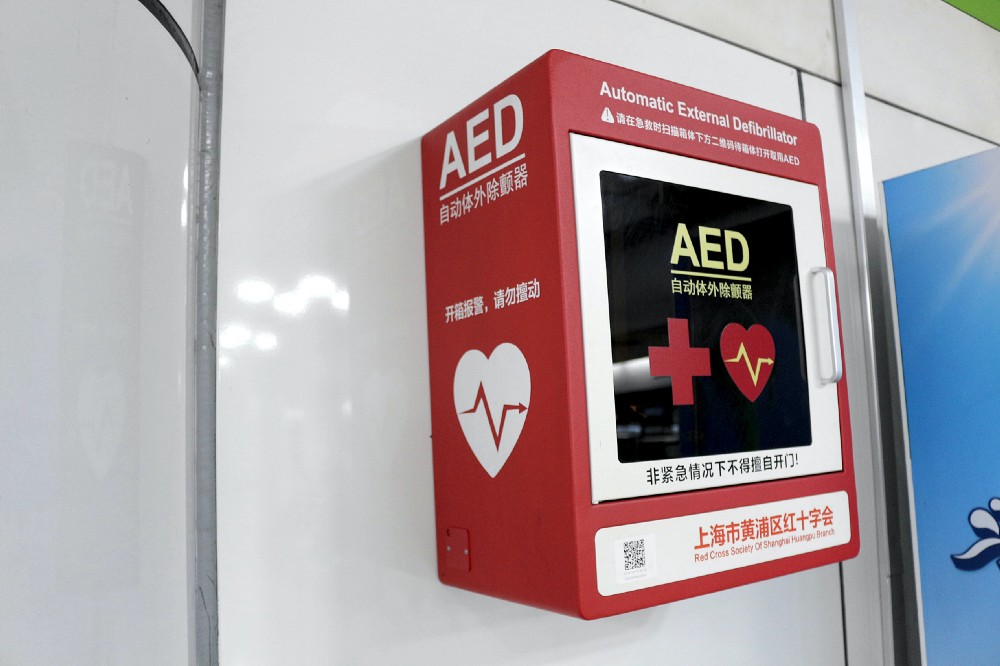
Cellular-connected drones will soon be delivering life saving emergency defibrillators (AED’s) to people suffering cardiac arrest.  When medical emergencies occur in traffic clogged cities and remote rural locations, first responders often face challenges in getting to the scene in time.

Trials in Renfrew Ontario on Sept. 21-22, 2019 saw drones arriving at least seven minutes before the paramedic vehicles during each test run. The drone flew over cellular to remote take-off points selected by GPS and landed successfully to deliver an AED to the onsite researchers. They then utilized the device to deliver required shocks to a medical mannequin. Translated to an actual cardiac arrest, the extra time provided by the drones would be crucial.

To improve the mission-critical communications associated with these deliveries, the drones share images and video with operators and employ artificial intelligence to manage key functions, such as collision avoidance, all enabled by the speed, bandwidth and reliability of the LTE cellular network. The County of Renfrew Paramedic Service will use the trial results to plan deployment strategies that reduce time to treatment for people suffering cardiac arrest, and for those who need urgent medications, in private, residential or rural locations.

Getting emergency treatment rapidly is the difference between life and death. This exciting new technology is destined to save many lives!

Contact Safe + Sound First Aid Training

Let’s End Stigma Around Drug Use

How does stigma affect people who use opioids?

Stigma around drug use can prevent people from receiving the help they need. Stigma can have a major impact on the quality of life of people who use opioids, people who are in recovery, and their friends and families. Stigma creates barriers to accessing health and social services for substance use. Stigma can make people feel ashamed of their drug use which can prevent them from receiving help if they need or want it. Sadly, this often leads people to use drugs alone, which can in turn lead to overdosing and dying alone.

There are three types of stigma:

1. Social stigma – when you have negative attitudes or behaviours toward people who use drugs or their loved ones

2. Structural stigma – when health care providers or first responders ignore or do not take people with problematic substance use seriously

3. Self-stigma – when people apply to themselves the negative attitudes and beliefs that they have heard from others

Opioid Deaths in Canada: National numbers

According to the national report: Apparent Opioid-related Deaths in Canada, more than 12,800 apparent opioid-related deaths occurred between January 2016 and March 2019:

3,023 deaths occurred in 2016 and 4,120 occurred in 2017
4,588 deaths occurred in 2018; this means that one life was lost every two hours related to opioids
1,082 occurred between January and March 2019

How can we help end stigma around drug use? Why words matter

Choosing our words carefully is an important first step toward reducing the cycle of stigma surrounding people who use drugs. What we say and how we say it can have a profound impact on those suffering around us. By using compassionate words in place of negative ones, you can make it easier for someone to speak up, to feel heard and understood, or to receive help

A small change can help reduce the cycle of stigma

Listen with compassion and without judgement, so that a person who uses drugs feels heard and understood Words matter. Be kind with the words you use. Use people-first language:

• Instead of “junkie” use “a person who uses drugs”

• Instead of “addicts” use “people who have used drugs”

• Instead of “drug abuse” use “problematic substance use” Speak up when someone is being treated disrespectfully because of their substance use.

End Stigma Around Drug Use #endstigma

Source:  Canada.ca

Download Stigma: Why Words Matter (fact sheet)

Photo by Matt Collamer on Unsplash

Learn to perform CPR with Safe + Sound First Aid Training

Contact Safe + Sound

Canada Soccer chooses Red Cross for first aid services!

The Canadian Red Cross has become the Official Supplier to Canada Soccer for first aid services. These services include First Aid Training, First Aid Kits and Automated External Defibrillators.

Canada Soccer is the official governing body for soccer in Canada. In partnership with its members, Canada Soccer promotes the growth and development of soccer in Canada, from grassroots to high performance. Soccer is the largest participatory sport in Canada and is considered the fastest-growing sport in the country. There are nearly 1,000,000 registered Canada Soccer active participants in Canada within 1,200 clubs. These clubs operate in 13 provincial/territorial member associations.

At Safe + Sound First Aid Training, we look forward to seeing lots more soccer players and coaches attend our Red Cross First Aid & CPR classes in Coquitlam and Burnaby! If you are a soccer player, coach or parent helper and you’d like to take a first aid course, please follow this link to check our course listings

For more details on Canada Soccer, visit the official website at www.canadasoccer.com