A collection of items associated with diabetes including a blue ribbon, glucose monitor, candy, sugar cubes, insulin syringe and a pink donut with sprinkles.

Lifesaving First Aid for a Diabetic Emergency

“You don’t know what you’re talking about!” yelled the woman across the school gymnasium at my recently certified, newly recruited first aid course instructor. Her words hung heavily in the shocked silence.

The instructor, unsure how to handle this awkward situation, turned to me for guidance. I called a short break and asked the students to return in 10 minutes. Meanwhile, recognizing the woman’s uncharacteristic behaviour was a sign of low blood sugar, a friend sitting beside her offered her some candy. After a few minutes, the woman felt better and apologized profusely for her rudeness.

Aggressive behaviour is just one of the signs of a diabetic emergency. For those with diabetes, a sudden drop or rise in blood sugar levels can quickly progress to a life-threatening emergency. Even if you don’t know it, odds are there’s someone in your life living with diabetes.

Worldwide, 540 million people (one in ten adults) live with diabetes, according to the International Diabetes Federation. The organization predicts this will rise to one in eight or 783 million by 2045. Some 240 million people are estimated to be living with undiagnosed diabetes — a significant cause of lower limb amputation, blindness, kidney failure, heart attacks and stroke.

You don’t need to be a doctor to help a person suffering from a diabetic emergency, but providing effective first aid requires understanding diabetes basics. Being prepared by learning to recognize the signs and symptoms and the appropriate treatment enables us to provide swift assistance and potentially save a life.

What is a diabetic emergency?

Diabetes mellitus is a disease in which the body cannot process glucose (sugar) in the bloodstream. The body needs a hormone called insulin to process sugar. Produced by the pancreas, insulin helps glucose move from the bloodstream into the cells for energy. In cases where the pancreas can no longer produce insulin or the body can’t effectively use insulin, diabetes results. When a person has diabetes, their body cannot maintain blood sugar within a normal range.

The woman in our first aid class may have been running late and skipped breakfast or felt uncomfortable having a snack during the class and waited a little too long to eat, resulting in a drop in blood sugar.

“Diabetes mellitus is due to a deficiency of the internal secretion of the pancreas, said Frederick Banting, recipient of the 1923 Nobel Prize in Physiology or Medicine with John Macleod, for discovering insulin and its therapeutic potential. “The main principle of treatment is, therefore, to correct this deficiency.”

Diabetes is a complex condition that can take many different forms. As well as the more commonly known type 1, type 2 and gestational diabetes, there are a range of other forms of the disease. A person with diabetes may manage their condition with oral medication or insulin injections. Diet and exercise also play an essential role.

Regardless of the type or cause of diabetes, a diabetic emergency occurs when blood glucose rises or falls outside the normal range. In either of these situations, insufficient glucose reaches the brain, leading to a deterioration of the person’s mental state. The two main types of diabetic emergencies are hypoglycemia and hyperglycemia.

Hypoglycemia, or too little sugar in the blood, occurs when the insulin level is too high relative to the blood sugar level. It happens if someone misses a meal or snack, eats less or exercises more than usual, vomits or takes too much medication. The small amount of sugar in the blood gets used up quickly, and the brain does not receive the level of sugar it needs. This results in an acute condition that can lead to a loss of consciousness or death if not treated promptly. Hypoglycemia develops quickly and is the cause of most diabetic emergencies.

A diabetic crash is also known as diabetic shock or insulin shock and is caused by severe hypoglycemia. A person’s symptoms may progress from headache, irritability, dizziness, sweating, trembling, hunger and anxiety to feeling confused — as we saw firsthand with the first aid course student — to having trouble speaking, experiencing double vision, or even losing consciousness.

Though hypoglycemia is common in people who have diabetes, it can also occur for other reasons in people without diabetes. Failing to treat severe low blood sugar can be life-threatening.

Hyperglycemia occurs when there is too much sugar in the blood when a person with diabetes overeats, takes too little medication, exercises less than usual, has an infection or experiences physical or emotional stress. With hyperglycemia, the body cells cannot get the sugar they need, even when sugar is abundant in the body. The body breaks down other food sources to meet its energy needs, causing waste products to build up and making the person ill. It may also cause the person’s breath to have a fruity or sweet odour. Hyperglycemia can lead to a diabetic emergency known as diabetic coma.

Hyperglycemia is also referred to as an insulin or glucose spike. Often, people experiencing this feel tired, thirsty and hungry, but some don’t have symptoms or know when they are spiking. As glucose rises, the body releases insulin to manage the extra glucose. If a person’s blood sugar is excessively or consistently high, they may feel thirsty, have blurred vision, and headaches. Diabetes can result in perilously high blood sugar levels and, if not controlled, results in serious complications. Hyperglycemia tends to develop slowly, though and is, therefore, less likely to become a first aid emergency.

It’s hard to tell the difference between hypo and hyperglycemia, as many of the signs and symptoms overlap. The good news is that the first aid treatment is the same for both.

First aid for a diabetic emergency

During a Red Cross first aid class, you learn to follow a protocol for first aid emergencies known as Check, Call, Care. This procedure includes checking for dangers, checking the person and providing care. Covering the full protocol from start to finish is beyond the scope of this article, so here, we will focus on first aid for a suspected diabetic emergency. I’m sharing guidelines from the Canadian Red Cross Comprehensive Guide for First Aid & CPR.

How can you tell if a person’s blood sugar is high or low?
If a glucometer is available, having the person check their blood sugar will show if they have hyperglycemia or hypoglycemia. However, you may not have access to this equipment. Without measuring blood glucose levels, it’s hard to tell which type of diabetic emergency a person is suffering from, as the symptoms can be similar.

What to look for
If the person is conscious and you’re confident you’ve addressed any life-threatening conditions, you must check for any less obvious conditions. When trying to assess whether a person is suffering from a diabetic emergency, look for:

  • Changes in the level of responsiveness (drowsiness, unconsciousness).
  • Changes in behaviour (confusion, irritability, or aggression).
  • Rapid breathing or difficulty breathing.
  • Cool, clammy or sweaty skin.
  • Skin paler than usual. It’s easier to assess this if you know the person.
  • Appearance of intoxication (slurred speech, difficulty walking)
  • Feeling and looking ill (dizziness, weakness or shakiness).
  • Seizures.
  • Fruity, sweet breath odour.
  • Look carefully for medical alert jewelry like a bracelet or necklace. Check the person’s belongings for information about medical conditions, such as prescriptions, medical cards or, especially for the insulin-dependent diabetic, syringes. If, after your assessment, you suspect the person is suffering a diabetic emergency:

Call Emergency Medical Services (EMS) if:

  • You can’t give the person sugar.
  • The person is not fully awake.
  • The person has a seizure.
  • The person doesn’t feel better within 10 minutes of having sugar.
  • Care for the person

If the person cannot follow simple commands, swallow safely, or is unresponsive, confirm that EMS has been called and place them on their side. This recovery position helps keep their airway clear.

If the person can follow simple commands, answer questions, and swallow safely, offer them 15 to 20 grams of sugar. Check package labels to figure out how much to give. The following are the forms of sugar the Red Cross recommends to give, listed in order of preference:

  • Oral glucose tablets.
  • Chewable candy.
  • Fruit juice.
  • Fruit strips.
  • Milk.
  • Other forms of sugar, such as a non-diet soft drink or a spoonful of sugar mixed into a glass of water.

Then, continue monitoring the person for the next 10 minutes. If their condition deteriorates or does not improve within 10 minutes, call EMS and give them more sugar if they are still conscious and it’s safe to do so. If the person feels better, recommend they eat a complete meal. If low blood sugar is responsible for the person’s symptoms, ingesting sugar will improve their condition. If their blood sugar is too high, having them swallow 15 to 20 grams of sugar won’t harm them in the short term and can be addressed later with their doctor.

First aid does not include administering insulin. A medical professional should investigate the cause of the emergency to determine whether insulin is the correct treatment.

Overall, rates of diabetic emergencies are increasing. The chances are you have a family member or friend living with diabetes, so it’s in everyone’s interest that we have a basic understanding of diabetes and how to assist someone experiencing a diabetic emergency.

Your local Red Cross first aid course provider offers public first aid and CPR classes where you can learn the skills you need to act quickly and effectively in emergencies. The few dollars you pay for the training may be the best investment you ever make. The most precious gift you can give is saving a person’s life.

The incident with the woman in the first aid class provided a learning opportunity for me, the course instructor, and the participants. It taught me to remind my trainee instructors to reassure students at the start of class to snack if they need to during the session.

If you suspect a person is having a diabetic emergency and they are conscious, give them sugar. If their blood sugar is too high, you won’t harm them. If their blood sugar is too low, giving them sugar may save their life.

Learn more about other medical emergencies in a Red Cross Standard First aid class.

An adult couple sits holding hands across the desk from a doctor. On the desk between them are papers, pens and a phone.

The Importance of Advocating for Your Medical Treatment

William Bryan was vacationing in Florida with his wife when he started experiencing abdominal pain on his left side. After investigations at the hospital, a surgeon convinced him to get his spleen removed and said that if Bryan chose to leave the hospital without the surgery, he would experience serious complications.

Bryan reluctantly agreed to the procedure. However, during the operation, the surgeon mistakenly severed the major blood vessels supplying Bryan’s liver and removed his liver instead of the spleen. Bryan bled out on the operating table and died.

The liver is usually much larger than the spleen and is located in the upper-right portion of the abdominal cavity, while the spleen is in the upper left. A competent surgeon would not have made this fatal error.

The man’s distraught widow is calling for justice for her husband and wants to warn other prospective patients about the surgeon, according to an NBC News report. In a public service announcement, the family’s lawyer said there’s evidence this is not the first time the doctor has removed the wrong organ during surgery.

How and why does wrong-site surgery happen?

Wrong-site surgery is where a surgeon operates on the wrong body part or examines the wrong area during an invasive procedure. It is the most dramatic, visible, and devastating of all surgical errors. There have been news reports of cases where a surgeon operated on the wrong limb or eye, for example. Wrong-site surgery is harmful to patients and can even lead to their death. In many cases, the patient must undergo additional surgery and hospital time.

A case study in the Annals of Internal Medicine describes a situation where doctors mistook one patient for another due to a name mix-up and performed an unintended invasive cardiac electrophysiology study. Those reviewing the case discovered at least 17 separate errors, none of which could have caused this unfortunate event alone.

From 1995 to 2005, The Joint Commission found that wrong-site surgery was the second-most frequently reported sentinel event — a patient safety event resulting in death or harm. Across all surgeries, the overwhelming top contributing factor to wrong-site surgery was failure to follow protocol.

These discoveries were published in A Contemporary Analysis of Closed Claims Related to Wrong-Site Surgery in The Joint Commission Journal on Quality and Patient Safety. The findings led to The Joint Commission implementing the Universal Protocol for Preventing Wrong-Site, Wrong-Procedure, and Wrong-Person Surgery in 2003.

Following this, in 2008, the World Health Organization (WHO) launched the mandatory Global Patient Safety Challenge, Safe Surgery Saves Lives. This challenge aimed to make surgery safer worldwide by defining a safety standard that all WHO Member States could apply. After extensive consultation, the WHO developed a Surgical Safety Checklist to decrease errors and adverse events and increase teamwork and communication in surgery.

The checklist has three main components:

  • Sign-in (before starting anesthesia).
  • Time-out (after starting anesthesia and before surgical incision).
  • Sign-out (during or after surgery but before moving the patient out of the operating theatre). The 19-item checklist has resulted in a significant decrease in morbidity and mortality. The
  • majority of surgical providers around the world now use it.

How can patients protect themselves?

Wrong-site or unnecessary surgery is preventable and should never happen. But, like all of us, doctors sometimes make mistakes. As a doctor’s daughter, one lesson I’ve always remembered from my father is, with health and medical matters:

“Be the squeaky wheel because that’s the one that gets fixed.”

People who lie quietly in hospital beds without asking questions or getting second opinions may die before those who advocate for themselves and speak up when they are not getting the treatment they need or expect.

Don’t just unquestioningly accept everything your doctor says. In the game of life, you don’t get extra points for being a good patient.

In a study published in the Journal of Patient Safety, researchers looked at the steps patients took after feeling unhappy with the service they’d received at a hospital in Queensland, Australia. The researchers proposed that it was necessary to determine the effectiveness of the hospital’s complaint-handling process from the patient’s perspective before they could use the complaints to help make improvements. In their conclusions, they noted,

“Healthcare professionals should take a more active role in identifying and responding to patients who are experiencing dissatisfaction but are not actively complaining. This level of vigilance and responsiveness will ensure opportunities to improve health service delivery and patient safety are not lost.”

A good doctor will encourage their patients to ask questions. They will not take it personally if a patient expresses concerns about their suggested treatment plan or wants a second opinion. A competent practitioner who has given sound advice will likely find the patient will return to them and follow their recommendations.

Patients who advocate for themselves have a better chance of survival

With our bodies and health, we should have the right to assert our best interests. However, many of us feel uncomfortable advocating for ourselves. We may not have seen our parents or teachers model this behaviour or had much practice with it. Sometimes, our past experiences or beliefs about whether our needs are valid prevent us from being assertive and fighting for our rights.

In a working paper published in the National Bureau of Economic Research (NBER), researchers reported a disturbing discovery of racial differences in C-section delivery. A large study of close to one million births at New Jersey hospitals found that obstetricians are more likely to unnecessarily perform C-sections on Black mothers with low risk factors than white mothers and that overall, Black women were 25% more likely to deliver by C-section.

Experts speculate about the reasons. However, further studies are required to reveal the motivation behind these surgeries. Unnecessary C-sections put women and babies at risk of medical complications like ruptured surgical wounds and also result in higher medical bills.

As a member of the Tri-Cities Community Action Team, based in Coquitlam, Canada, I regularly meet people who are struggling with substance use disorder. Many of these people turned to drugs initially to help cope with pain from physical injuries. Their doctors often prescribed opioids without offering alternate pain relief therapies, leading to a lifetime of addiction and misery.

Self-advocacy requires communicating our values and needs in a way others will understand. With practice, we can become more skilled in speaking up for ourselves. To advocate effectively, we need to find out what support, treatments and resources are available and learn as much about our situation as possible. We must then communicate clearly and ask questions about the available options.

Loved ones can support us during medical appointments

When speaking with a doctor about any serious health issue, asking a loved one to accompany us is wise. It’s also a good idea to do some research before medical appointments so we can ask intelligent questions. For many people, on hearing the words, “You have cancer” or some other life-threatening condition, they hear almost nothing afterwards. The doctor’s words just turned their world upside down, and the sudden grief and stress they experience at this moment reduces their ability to listen, understand and remember the doctor’s recommendations.

Having a companion there can be helpful as they can make notes, give information about our symptoms that we may not have the confidence to disclose and ask difficult questions on our behalf. After leaving the doctor, this person can check in with us and help ensure we have followed the doctor’s recommendations for recovery.

Some stoic individuals don’t want to be any trouble to the doctor and will suffer in silence rather than being a bother. Others are too embarrassed or ashamed to discuss their symptoms and conditions, which the doctor could have caught and treated early. They are sometimes left until it’s too late. There are also cases where the person is too sick or injured to communicate, and we may have to make tough decisions on their behalf.

We only have one body to live in for our entire lives, so taking good care of it is essential. It’s important to speak up if a medical professional suggests a course of action we are uncomfortable with. We must take responsibility for our health and wellness, maintain our records, seek clarification and explore our options before agreeing to a treatment plan. With medical issues, we can improve our chances of survival by being assertive.

Remember, if in doubt — speak out.

First Aid Myths and What to Do Instead

After 25 years as a Canadian Red Cross Training Partner, I’ve heard many fascinating and horrifying anecdotes about how best to give first aid to the sick or injured. I’ve also been amazed at how some people have survived despite the unconventional treatment they’ve received from well-meaning bystanders.

There are many ways to provide first aid. Some are effective, while others are downright reckless. In this article, I’d like to dispel some of the most popular myths surrounding this topic. With each myth listed below, I’ve provided the current first aid recommendations from the Red Cross.

Emergency Medical Services is abbreviated as EMS. I’ve omitted the phone number as it varies by country. Ensure you and your loved ones know your local EMS phone number.

Based on my experience and reviews from Red Cross resources, I will cover 17 important first-aid topics in this story and distill critical information to give you valuable content for use.

1. Heart Attack

Myth: You must make a person lie down if they’re having a heart attack.
A heart attack usually happens when a sudden blockage in the heart prevents oxygenated blood from reaching an area of the heart muscle. It is not necessary to make a person lie down. They will put themselves in a position they find most comfortable. For first aid for heart attack:

1. Call EMS and have the person rest comfortably, either sitting or lying, to ease the strain on the heart. Encourage them to sit on the floor leaning against a sturdy object like a chair or the wall. They can’t fall off the floor and are less likely to hurt themselves if they collapse.

2. If Aspirin (ASA) is available, encourage the person to chew one 325 mg or two 80 mg ASA tablets unless the person has an allergy or a contraindication to ASA, such as a bleeding disorder. Ensure that the person thoroughly chews and swallows the ASA. Do not repeat the dosage.

3. If the person takes a prescribed medication like nitroglycerin to relieve chest pain, offer to fetch the medication and help the person to take it. If the person has nitroglycerin in a spray or pill form, ensure they spray or place it under their tongue.

4. Reassure the person. Anxiety may increase the person’s discomfort.

2. Automated External Defibrillators (AEDs)

An AED is a small, portable electronic device that automatically diagnoses life-threatening heart rhythms and can treat them through defibrillation — the application of an electrical shock. The shock stops the arrhythmia, allowing the heart to re-establish an effective rhythm.

Myth: AEDs are complicated to use.
Although AEDs may appear complicated, they are easy to use. Press the power button, and the machine will talk to you and tell you what to do. If you can apply the electrical pads to the person’s chest within three minutes and deliver a shock if required, you will significantly increase their chances of survival.

A defibrillator will not deliver a shock if a casualty does not need it, so you cannot harm the person. However, to give the person the best chance of survival, you must provide quality CPR (chest compressions with rescue breathing). CPR pumps oxygenated blood to the heart and brain, keeping the person alive until advanced medical care arrives. Therefore, learning how to give quality CPR and use an AED is essential.

3. Sprains

A sprain occurs when a ligament is stretched, torn, or damaged.

Myth: You should apply heat to a muscle, bone, or joint injury to speed healing.

Applying heat dilates (widens) the blood vessels in the area, bringing more blood to the area and increasing swelling. Therefore, heat is not the best treatment for an acute muscle, bone, or joint injury.

Applying cold constricts (narrows) to the blood vessels reduces blood flow to the area and helps reduce swelling. In addition, it slows the nerve impulses and helps to relieve pain. For first aid for sprains:

If the injury seems severe or the person is in significant pain, call EMS.
If a person has a suspected sprained joint, encourage them to see their healthcare provider to confirm that they do not have a fracture.
When treating an injury, apply cold initially. For a sprain, apply a cold pack for about 20 minutes. Use the RICE treatment of Rest, Immobilize, Cold, and Elevation for the first 24 hours.
Ice decreases blood flow, so expect less swelling and inflammation. However, if the swelling doesn’t go down, the person should see a doctor.

4 . Fainting

Fainting is a brief period of unconsciousness that occurs when the brain is not receiving adequate blood flow. If someone suddenly becomes unresponsive and “comes to” after about a minute, the person may have simply fainted.

Myth: If someone feels faint, get them to put their head between their legs
If a person who is feeling lightheaded puts their head between their legs, there’s a risk they might fall forward and injure themselves. A person may become pale, dizzy, nauseous, or sweaty before fainting. If you think that someone is about to faint, have them lie down. For first aid for fainting:

If the person loses consciousness, roll them onto their side and place them in the recovery position.
Call EMS and get an AED if the person has been unresponsive for more than a few minutes, is pregnant, has an unknown medical history, or you suspect that the person fainted as a result of a serious injury or illness. If you are unsure, call EMS and get an AED.
Encourage the person to follow up with their healthcare provider.

5. Nosebleeds

Myth: Leaning backward stops a nosebleed.
Getting a person to tilt their head back will not stop a nosebleed. The blood will go down their throat instead of flowing out of the nose, which could lead to choking, stomach irritation, and vomiting. First aid for nosebleeds:

Have the person sit with the head slightly forward. Have them firmly pinch the nostrils below the bony bridge for 10 to 15 minutes until the bleeding stops. Don’t put tissues or gauze into the nose to stop a nosebleed; do not pinch the nose if the person has a severe head injury.
Once the bleeding has stopped, advise the person to avoid blowing, rubbing, or picking their nose because this could start the bleeding again.
If the person loses responsiveness, put them in the recovery position to help the blood drain from their nose and call Emergency Medical Services.

6. Bleeding

Myth: Coffee grounds stop bleeding.

Applying coffee grounds to a wound to stop bleeding can lead to the wound becoming infected. It also makes it very hard for healthcare providers to clean out a wound requiring stitches. Bleeding that can’t be stopped at home likely needs medical care. For first aid to stop bleeding:

Apply firm, direct pressure to the wound
While maintaining direct pressure, apply a dressing and bandage it in place.
If blood soaks through the bandage, put another bandage on top.
If direct pressure does not control the bleeding, consider using a tourniquet.

7. Burns

Burns are soft tissue injuries caused by heat, chemicals, electricity, or radiation.

Myth: For heat burns, apply ice or butter.
Putting ice or butter directly on a burned area will worsen the burn. Ice applied directly to burned skin can increase skin damage. Any greasy substance on a burn insulates the area and drives the burn into the flesh. It slows healing and makes it harder for a doctor to treat the burned area.

First aid for burns caused by heat:

Cool the affected area with water or a clean, cool (but not freezing compress) for at least 10 minutes.
Remove jewelry and clothing from the burn site, but do not attempt to move anything stuck to the skin.
Cover the burn loosely with a dry, sterile dressing. If the burn begins to blister, change colour, or look infected, get medical treatment. Always seek medical attention for second or third-degree burns.

8. Hypothermia

Hypothermia is a serious condition that occurs when a person’s body loses heat faster than it can produce it, and the body temperature becomes dangerously low.

Myth: A shot of alcohol can warm a hypothermic patient.
Alcohol may give a pleasant feeling of warmth, but it dilates the blood vessels, which causes more heat loss, not less. Alcohol delays the onset of shivering — a mechanism that produces heat — and reduces its duration. It can also affect a person’s judgment and coordination, both of which are best avoided.

Hypothermia slows a person’s breathing, so you’ll need to spend a little longer than usual checking their ABCs. If the person is unresponsive and you suspect hypothermia, check for signs of breathing for 60 seconds. First aid for hypothermia:

  • Call EMS and get an AED if the person has moderate to severe hypothermia.
  • Handle the person gently to avoid triggering ventricular fibrillation and keep them lying down. Only move the person if it is necessary. Take care not to jostle or bump them.
  • Remove wet clothing, providing the area is sheltered from the cold environment.
  • Prevent further heat loss by replacing the person’s wet clothes with dry ones and warming them in a sheltered area.
  • Add layers of clothing and a hat or other head covering. Focus on warming the core first.
  • If the person is conscious and able to swallow, have them drink warm, sweet fluids.
  • Have the severely hypothermic patient rest and stay still until they are sufficiently warm unless you have special training in rapid or active re-warming techniques.
  • Putting two hypothermic people together in the same sleeping bag is not a good way to warm them. One person must have a normal body temperature. It is better to wrap such a hypothermic person in clothing inside a sleeping bag and allow him to shiver, which generates heat.

9. Frostbite

Frostbite is damage to the skin caused by extreme cold.

Myth: When someone has frostbite, you should rub the frozen area or apply snow.
When providing care for frostbite, don’t rub the frozen area or put snow on it. If you rub the skin, ice crystals inside the cells may damage the tissues. Rubbing snow on the area will only worsen the condition.

Do not run hot water over frozen skin to warm it. Doing this increases the risk of skin damage if the water is too hot. For the first aid for frostbite:

1. If possible, remove jewelry or other extraneous material that may restrict blood flow to the affected area.

2. Thaw the area only if you are sure it will not freeze again.

3. Warm the affected area using warm water, if available (approximately 38 to 40°C (100.4 to 104°F)) or body heat (e.g., by placing the person’s hands in their armpits or on the abdomen). You should be able to put your own hands in the water for a minute without feeling too warm.

4. If the frozen area has thawed, don’t break any blisters. Protect them with loose, dry dressings. If they are affected, place gauze between the fingers or toes.

5. If possible, elevate any thawed extremities above the level of the heart. 6. Thawing frostbite can be extremely painful, so the person may wish to take an over-the-counter painkiller. 7. Rehydrate the person by providing plenty of fluids. 8. Encourage the person to seek medical attention.

10. Hyperventilating

Hyperventilation is rapid, uncontrolled breathing.

Myth: If someone is hyperventilating, you should have them breathe into a paper bag.
It’s a traditional practice to treat hyperventilation by breathing into a paper bag, also known as “rebreathing,” When a person hyperventilates, they expel carbon dioxide too rapidly. Rebreathing exhaled air helps restore the lost gas and restore proper oxygen levels.

Several medical conditions, like asthma and heart attacks, look like hyperventilation and can cause confusion. In these cases, reducing oxygen and increasing carbon dioxide can be fatal.

One study described three cases in which people having heart attacks mistakenly thought they were hyperventilating and died after losing oxygen while they were breathing into bags. Breathing into a paper bag is unsafe; doctors do not recommend it.

For first aid for hyperventilation, the best treatment is to encourage the person to stay calm and take slow, controlled breaths. If the hyperventilation doesn’t stop, get medical assistance.

11. Seizures

A seizure is a sudden period of uncontrolled electrical activity in the brain that causes short-lived abnormalities in muscle tone or body movements, behaviour, sensations, or level of consciousness.

Myth: You should put something between the teeth of a person having a seizure to prevent them from biting or swallowing their tongue.
This practice is unsafe and unnecessary. It is impossible to swallow one’s tongue. Although the person may bite down on the tongue, causing it to bleed, this is a minor problem compared to the risks of attempting to put an object in the person’s mouth.

The person could chip a tooth or knock a tooth loose, creating a choking hazard. The person may also bite down with enough force to break the object and then choke on one of the pieces. Additionally, attempting to place an object in the person’s mouth puts you at risk of being bitten. First aid for seizure:

Roll the person onto their side if you can do so safely to keep an open airway.
Remove any hazards and, if possible, put a pillow underneath the head.
Do not try to hold the person down or stop the seizure from happening.
Call EMS if:

  • you don’t know the person or the person’s medical history.
  • the seizure lasts more than a few minutes.
  • the person has several seizures, one after another.
  • the person is injured.
  • the person is pregnant.
  • the person is experiencing a diabetic emergency.
  • the seizure happens in the water.
  • this is the person’s first seizure, or you don’t know what caused the seizure.
  • the person fails to wake up after the seizure or is unresponsive for a long time.

Protect the person from injury by:

  • Moving furniture and other objects that could cause injury out of the way.
  • Protecting the person’s head with a soft object (such as a blanket).

12. Fever

Myth: Rubbing alcohol brings down a fever.
Wiping rubbing alcohol on your skin makes the skin feel cooler, but doesn’t cool the body or reduce fever. Also, alcohol can be absorbed through the skin. For small children and infants, in particular, giving a child a sponge bath with rubbing alcohol can lead to alcohol poisoning. First aid for fever:

  • Give the person a fever-reducing medicine that contains ibuprofen or acetaminophen.
  • Call the person’s healthcare provider if you don’t know what to do or if the fever doesn’t go away.

13. Swallowed poisons

Myth: Induce vomiting in a poisoned person.
When a person has swallowed a poisonous substance, you might think vomiting it would help, but making them vomit can cause additional harm, and doctors do not recommend it. Sometimes, the person may vomit on their own.

In the past, people used a medicine called Ipecac Syrup to cause vomiting. However, this is not encouraged. A corrosive substance will damage the esophagus on the way down and again on the way up as it exits the body. It may cause inflammation and blockage. First aid for swallowed poison:

  • If the person is not breathing, start CPR. Use a barrier device so you don’t contaminate yourself with the poison.
  • Check the packaging of the poison, if possible, so that you know what it is.
  • Induce vomiting only if told to do so by the EMS dispatcher or the Poison Control Centre.
  • If the person needs to go to the hospital, bring a sample of the poison (or its original container).

14. Snake bites

Myth: You can help slow the spread of venom through the body by cutting the wound or applying suction, ice, electricity, or a tourniquet.
These measures are not effective in slowing the spread of venom. They are likely to cause pain and injury. First aid for snake bites is to seek medical attention as quickly as possible.

Call EMS and get an AED. If you are unsure whether a venomous snake caused the snakebite, call EMS anyway. Do not wait for life-threatening signs and symptoms of poisoning to appear.
Before providing care, ensure that the snake is no longer present. If you see the snake, remember what it looks like so that you can describe it to EMS personnel. This information will help them provide the most appropriate treatment. Never attempt to capture or handle a potentially venomous snake.
Keep the injured site still and level with the heart if possible.
If the bite is on a limb, remove jewelry or tight clothing from the limb and watch for swelling.
Wash the wound with water.
Cover the wounded area with a clean, dry dressing.
Don’t try to suck the venom out. The venom from the snake bite is shot into the bloodstream towards the heart and moves around the body. There is no way you could suck out all the venom. Instead, keep the bite below the level of the heart and try to stay calm as you contact the emergency medical services.

15. Jellyfish stings

Myth: Peeing on a jellyfish sting helps ease the pain.

Peeing on a jellyfish sting can do more harm than good. Urine only makes the jellyfish stinger release more venom, thus causing more pain for the patient.

For the first aid of jellyfish stings, call EMS and get an AED if the person is having airway or breathing problems, was stung on the face or neck, or does not know what caused the sting.

1. Get the person out of the water as soon as possible.

2. Flush the injured area with vinegar for at least 30 seconds to counteract the toxin. If vinegar is unavailable, mix baking soda and water into a paste and leave it on the area for 20 minutes.

3. While wearing gloves or using a towel, carefully remove any stingers, tentacles, or pieces of the animal.

4. Immerse the affected area in water as hot as the person can tolerate (no more than 45°C (113°F)) for at least 20 minutes or until the pain is relieved.

5. If hot water is unavailable, use dry hot packs or even dry cold packs to help decrease the pain. Remember to wrap the hot or cold packs in a thin, dry towel or cloth to protect the skin. Do not rub the area or apply a bandage.

If the person has been stung by a Portuguese man-of-war (a bluebottle jellyfish), flush the affected areas with ocean water instead of vinegar. Do not flush any jellyfish sting with fresh water, ammonia, or rubbing alcohol as these substances can increase the person’s pain.

16. Tick bites

Ticks are found in wooded, bushy areas, tall grass, and leaves on the ground. They can cause serious illnesses such as Lyme Disease.

Myth: You can remove a tick safely by burning it off with a flame or smothering it with petroleum jelly or nail polish.
More practical, safer, and quicker methods exist than these folk remedies.

If the tick hasn’t yet begun to dig into the flesh, remove it by brushing it off the skin.
If the tick has begun to bite, attempt to remove it in one piece as quickly as possible. The best tool for this is fine-tipped tweezers or a tick removal tool, such as a tick key. Use tweezers to grasp the tick by the head as close to the person’s skin as possible.
Pull upward slowly and steadily without twisting until the tick releases its hold. If you cannot remove the tick or its mouthparts stay in the skin, the person must seek medical attention.
Once you’ve removed the tick, wash the area with clean tap water. The running water’s pressure allows it to penetrate more deeply into the wound.
Save the tick in a resealable bag and record the date.
Advise the person to monitor the bite for several days for signs and symptoms of infection. The person should seek medical attention if they notice the area shows signs of infection, e.g., redness, warmth, and pain, or if they develop a fever.

17. Getting sued for giving first aid

Myth: You could get sued if you perform CPR.
For public safety, the law protects people taking reasonable actions to save someone’s life. If you stay with an injured person until help arrives and help them as best you can within the scope of your training, the law will protect you.

But what if the person dies?

If you started CPR and the person didn’t survive, know that you didn’t kill the person. If someone goes into cardiac arrest, the person is already dying. If no one starts CPR, their chances of surviving until EMS arrives are almost non-existent. Unless you know they have a signed do not resuscitate (DNR) order, the best thing you can do is start CPR.

Conclusions and Takeaways

There are many myths about first-aid treatment. The best way to become confident in your knowledge and skills is to take a first aid and CPR class from a well-recognized and respected organization like the Red Cross.

First aid and CPR training benefits everyone. It gives people the skills and confidence to act quickly and effectively in an emergency, giving sick or injured people the best chance of survival.

There is never a convenient time for an accident, injury, or sudden medical emergency. It’s essential to prepare and be ready to assist at any moment. There’s no better gift you can give a person than saving their life.

Young child asleep in a car seat inside a hot car.

12 Ways to Prevent Hot Car Deaths

About 40 children die in hot cars in the United States every year. A condition known as vehicular heatstroke occurs either because the children were left alone or had become trapped in a car. This post briefly discusses why and how these terrible tragedies happen. It offers 12 ways caregivers can ensure young children are never left in vehicles by mistake.

According to the U.S. Department of Transportation, a child dies in a hot car approximately every ten days. Most hot car deaths — 53% — happen when a parent or caregiver forgets the child is in the car.

How does this happen?
We may ask how someone could forget their child and leave them in the vehicle. People who lost a loved one thought the same thing at one point, but then the tragedy happened to them.

Newspaper reports reveal that in many cases, an otherwise loving and attentive parent becomes busy, distracted, upset, or confused by a change in their daily routine or stressful life events. These things may cause them to forget their child is in the back seat.

It could happen to anyone.

Have you ever lost your keys or phone, or walked into a room and forgotten why you went there? These things are lapses in short-term memory. Tragically in some cases, the one thing a person was supposed to remember was dropping off their child at daycare. The consequence of such a memory lapse may be their child’s death.

Prospective Memory and the part it plays in hot car death

Memory expert Dr. David Diamond has served as an expert witness in more than 400 hot car death cases and conducted extensive research on the phenomenon. One of his fields of expertise is in researching how normal parents and caretakers unknowingly and unintentionally leave children in cars without evidence of abuse or neglect of children, drug misuse or organic brain dysfunction.

Dr. Diamond has developed a hypothesis to explain how normal parents and caretakers can forget their children in cars:

The driver loses awareness of the child in the car.

The driver shows a failure of the brain’s “prospective memory” system. Prospective memory is the ability to remember to carry out intended actions in the future.
Events during the drive, including stressors and distractions, may lead to “prospective memory” failure.
Dr. Diamond has concluded that all cases involving hot car deaths involve the failure of the prospective memory system.

When a child dies in a hot car, many people react angrily toward the child’s caregiver. But the biggest mistake a caregiver can make is thinking they are immune to such a tragedy.

When do hot car deaths happen?

Hot car deaths don’t just occur in summer. Most years, the first vehicular heatstroke happens in March, according to Jan Null, who has tracked such deaths since 1998. Over the years, he discovered:

  • In about 46% of incidents where a caregiver forgets a child in a car, the caregiver meant to drop the little one off at daycare or school.
  • The highest death rates occur on Thursdays and Fridays — the end of the workweek.
  • More than half of the deaths (54%) are children under two years old.
  • Forgotten Baby Syndrome

Jayde Poole, who left her five-month-old daughter Bella in a car on a hot day, where she died from heatstroke, was found not guilty of manslaughter.

The 29-year-old single mother of three had thought her baby was safe in her crib. When she found Bella missing, she thought she’d been kidnapped and called the police. Jade was arrested and, if convicted, would have faced a 20-year manslaughter charge.

Jayde’s lawyers argued she had suffered from forgotten baby syndrome, and a Supreme Court jury found Jayde was not criminally negligent for her baby’s death.

How long does it take a parked car to reach deadly temperatures?

A simulation conducted by the Australian motoring group NRMA showed that 70% of the rise in car temperature happens within five minutes of closing the car door, and 90% occurs within fifteen minutes.

A car can become an oven in minutes.

If the outside temperature is 85 degrees, after 10 minutes, the car’s internal temperature will be 104. After 30 minutes, 119 and after one hour, 128 degrees. Leaving windows open or parking in the shade does little to change the vehicle’s interior temperature. This short video shows how quickly car temperature can rise in the heat.

Heatstroke facts
A person inside a rapidly heating car may suffer from heatstroke — a condition which can be deadly. Children are more vulnerable to heatstroke, as their body temperature rises 3–5 times faster than an adult’s. When a child is left in a vehicle on a warm day, that child’s temperature can rise dangerously fast.

Heatstroke begins when the body’s core temperature rises to about 104 degrees, and a child can die when their temperature reaches 107 degrees. The NHTSA stats show that over the past 25 years, over 950 children have died of heatstroke after being left or trapped in a hot car.

Parents and caregivers must be vigilant and proactive to prevent such tragic incidents.

12 tips for caregivers to prevent children dying in hot cars

1. Check your backseat
Establish a system to remind you to check the backseat before leaving the car. Place a child’s toy on the passenger seat next to you or a visible reminder on the dashboard, such as a brightly coloured sticker or a sign that says “Check the Backseat!” This simple visual cue can prompt you to check whether your child is in the backseat before leaving the car.

Place items like your wallet, work bag, left shoe or mobile phone in the back seat — something you’ll need upon reaching your destination. Doing this forces you to open the back doors, reducing the chance of accidentally leaving your child behind.

Look before you lock — even if you don’t have children, a child may have entered the vehicle if left unlocked.

2. Secure Unattended Vehicles and keep keys out of reach
While many hot car deaths happen when a caregiver forgets a child, according to NHTSA, the second leading cause — 25% — is children climbing into unattended vehicles.

Be in the habit of always locking your car doors and trunk year-round, even if you park in the driveway or garage. Doing this will prevent curious children from entering the vehicle unsupervised.

Store car keys out of reach of children so they won’t be tempted to explore vehicles as a play area, inadvertently trapping themselves inside.

3. Never leave a child alone in a vehicle
All hot car deaths are preventable. However, the third leading cause of these deaths — consciously leaving a child — is the most preventable. Never leave a child alone in a car, even for a few minutes. Remember — rolling windows down or parking in a shady spot does little to change the vehicle’s interior temperature.

See a Child Alone in a Vehicle?

If you see a child alone in a vehicle, ensure the child is okay and responsive. If not, call EMS/911 immediately.

If the child appears okay, try to find the parents. If you’re in a public place, have security or customer service alert the vehicle owner over the intercom.
If the child is not responsive and appears distressed, try to get into the car to help the child — even if you have to break a window. Side windows are easier to break than windscreens or rear windows, and the edges of windows are the weakest part.
If the child is suffering heat distress, remove them from the vehicle as quickly as possible and cool them rapidly.
Act Fast. Save a Life.

4. Develop a departure routine
Create a consistent departure routine to use every time you exit the vehicle. Mentally rehearse actions such as turning off the engine, grabbing essential items, and opening the backseat door. Building a routine and avoiding distractions will minimize the chances of accidentally forgetting your child in the car.

5. Communicate with caregivers
If different caregivers are involved, ensure clear communication about who is responsible for dropping off and picking up the child. Create a system where the caregiver must confirm the child’s arrival at the destination, providing an additional layer of safety.

6. Practice safety at daycare and school
A 14-month-old girl died after her grandmother left her unattended in a hot car in New York for eight hours. The 54-year-old grandmother forgot to drop the toddler off at a daycare centre and went to work. Eight hours later, she went to pick the girl up at the daycare and realized she had left her in the car. The child was pronounced dead at the hospital.

Coordinate with your child’s daycare or school to implement a protocol that notifies you if your child doesn’t arrive as expected. This mutual communication helps ensure their safety throughout the day.

Form a buddy system with other parents or caregivers who drop off their kids at the same location. Remind each other to check the backseat and confirm the children’s safe arrival.

7. Use technology to remind you a child is in the vehicle
Use modern technology to prevent these accidents. Mobile apps and devices can remind people to check the backseat on arrival at their destination. Some even use geolocation to detect when you’ve arrived at a familiar place and prompt you to double-check the car.

8. Employ a car seat alarm system
Invest in a car seat alarm system that alerts you if your child is still buckled in the seat after you’ve turned off the engine. These alarms can be lifesaving reminders if you accidentally overlook your child’s presence in the backseat.

9. Make a phone call check-in
Before leaving your car, make it a habit to call your partner, a family member, or a friend to chat briefly. This conversation can help reinforce your memory and create an additional reminder to check the backseat.

10. Teach children about car safety
Talk to your child about the dangers of playing inside cars and the importance of never entering a vehicle without an adult’s supervision.

11. Set calendar alerts
If you have a consistent schedule, set up recurring calendar alerts on your phone to remind you to check for your child in the backseat upon arrival at your destination.

12. Raise awareness
Educate yourself and others about the risks and consequences of leaving children in hot cars. Share information on social media, and engage in community discussions to raise awareness and prevent these incidents. Everyone Can Help Prevent Hot Car Deaths

Encourage local communities, schools, and organizations to organize awareness campaigns and workshops to address the issue. Spread the word on social media using #HeatstrokeKills #CheckTheBackSeat.

Call to action
Children dying of heatstroke in cars is a preventable tragedy. We can reduce the risk of young children being left unattended in hot vehicles with a collective effort from parents, caregivers, and the community.

Car manufacturers must continue to work on technology such as rear seat reminder systems and radar devices that detect people and animals in cars and

Governments must pass laws requiring technology in all new cars to help prevent hot car deaths.

Community members must be on the lookout for children and pets alone in cars and take action to save them.

Tips to Reduce the Risk of Hot Car Death

Parents and caregivers can reduce the chance of a hot car tragedy by doing the following:

1. Check the backseat before locking the car doors and walking away.

2. Secure unattended vehicles and keep keys out of reach

3. Never leave a child alone in a vehicle

4. Develop a departure routine

5. Communicate with caregivers

6. Practice safety at daycare and school

7. Use technology to remind you a child is in the vehicle

8. Employ a car seat alarm system

9. Make a phone call check-in

10. Teach children about car safety

11. Set calendar alerts

12. Raise awareness

Click here for information about Emergency Child Care First Aid & CPR training

A man sits at a table in discussion with a doctor dressed in a white lab coat. In the background is a sign that reads, "Opioid addiction treatment."

Benefits of Free Opioid Addiction Treatment

​Since the public health emergency was declared in 2016, more than 30,000 people have died from opioid-related overdoses in Canada.

On June 6, 2023, British Columbia (BC) became the first Canadian province to provide universal treatment for opioid addiction. Previously, in BC, people struggling to overcome an addiction to opioids had to pay for their treatment drugs. The government has now removed financial barriers to treatment programs.

This article explores the arguments for and against providing free opioid addiction treatment.

Addiction and Opioid Use Disorder

People can become addicted to various types of opioids, including both prescription opioids and illicit drugs. Prescription opioids like oxycodone, morphine, and codeine are medications prescribed by healthcare professionals to manage pain. Illicit opioids like heroin, fentanyl, and carfentanil are obtained and used without a valid prescription. They are produced in clandestine laboratories or illegally diverted from legitimate sources.

Addiction can develop from legitimate medical use of prescription opioids and recreational or illicit use. Opioids have the potential to produce euphoria, pain relief, and relaxation, which can lead to misuse, dependence, and addiction.

Opioid use disorder (OUD) occurs when a person unsuccessfully attempts to cut down or when substance use leads to social problems and a failure to fulfill obligations at work, school, and home. OUD often occurs after the person has developed opioid tolerance and dependence, which makes it physically challenging to stop opioid use and increases the risk of withdrawal.

What does free opioid addiction treatment look like?

Treatment typically provides access to opioid agonist medications such as methadone or buprenorphine. It may also include counselling, behavioural support, and harm reduction measures without any direct cost to the individuals receiving the treatment.

Medical assessment and monitoring

Opioid agonist treatment typically begins with a medical evaluation to determine the appropriate medication and dosage for each individual. A healthcare professional will monitor the individual regularly to evaluate treatment progress, adjust dosages if necessary, and address any concerns or side effects.

Medication

Opioid agonist treatment drugs, like methadone or buprenorphine, work by occupying the same receptors in the brain as opioids and help reduce cravings and withdrawal symptoms without causing a person to get high.

Counselling and behavioural support

Addiction treatment often includes counselling and behavioural support services. These can involve individual therapy, group counselling, or support groups to address psychological and emotional health, help people develop coping mechanisms, and support long-term recovery.

A comprehensive treatment plan can offer additional healthcare services to address the holistic needs of individuals. The program may include access to primary healthcare, infectious disease screening (e.g., HIV or hepatitis C), mental health services, and social support services.

Harm reduction measures

Treatment programs often emphasize harm reduction strategies to promote the overall well-being of individuals. This service can include providing access to clean syringes, naloxone — an opioid overdose reversal medication, education on safer drug use practices, and referrals to other harm reduction services.

The specific details and structure of free opioid agonist treatment programs can vary depending on the healthcare system, country, and local resources. These programs are often implemented with input from healthcare providers, addiction specialists, and community organizations to ensure comprehensive care and support for individuals struggling with opioid addiction.

Some disagree with providing free opioid agonist treatment

There are various reasons why some people disagree with providing free opioid agonist treatment.

Moral concerns
Some individuals view opioid addiction as a consequence of personal choices and believe that providing free treatment could enable or condone addictive behaviour. They argue that individuals should bear the responsibility for their actions and that offering free treatment removes the consequences of their decisions.

Economic considerations
Critics might argue that providing free opioid agonist treatment places a significant financial burden on society. They claim that the costs associated with treatment, including medications, counselling, and support services, are too high and unsustainable in the long run. They may argue for allocating limited resources to other pressing healthcare needs.

Stigma and discrimination
Some individuals hold negative views or stereotypes about people with substance use disorders, including opioid addiction. They believe that offering free treatment encourages dependency and perpetuates the negative perception of individuals struggling with addiction. This perspective may reflect a lack of understanding of the complex nature of addiction and the potential for recovery with appropriate support.

Concerns about effectiveness
Some people question the effectiveness of opioid agonist treatments, such as methadone or buprenorphine, in addressing addiction. They may argue that providing these medications substitutes one addiction for another and does not solve the underlying issues. Additionally, critics might express concerns about the potential diversion or misuse of these medications.

Philosophical or ideological reasons
Opponents of free opioid agonist treatment may have philosophical or ideological objections to government intervention in healthcare or the concept of providing treatment as a public service. They advocate for a more limited role of government and believe that individuals should seek and pay for their own treatment.

While these viewpoints exist, the medical and public health consensus supports providing evidence-based treatment, including opioid agonist treatment, for individuals with opioid addiction. Many experts argue that offering free treatment can save lives, reduce harm, and improve public health and societal well-being.

Benefits of providing free addiction treatment

Finding the money to pay for treatment is one of the main reasons people don’t seek or get the help they need. When people can get free, safe treatment, they are far less likely to purchase illicit opioids from the toxic street drug market. Removing financial barriers and helping people get treatment leads to healthier, safer communities.

Other countries have had success with free treatment programs

Several countries have effectively implemented free opioid addiction treatment programs.

Portugal has successfully implemented a comprehensive approach to drug addiction, including opioids. In 2001, Portugal decriminalized the possession and use of drugs and redirected resources toward prevention, harm reduction, and treatment. This approach includes free access to opioid agonist treatment, such as methadone and buprenorphine, and a range of support services.

Over the years, Portugal has significantly reduced drug-related deaths, HIV transmission rates, and drug-related criminality. Portugal switched from treating addiction as a disease rather than a crime. Shifting from a criminal approach to a public health one — the so-called Portugal model — has dramatically reduced the number of heroin users in Portugal.

“You cannot work with people when they’re afraid of being caught and going to prison,” says psychologist Francisco Miranda Rodrigues, president of the Ordem dos Psicólogos Portugueses. “It’s not possible to have an effective health program if people are hiding the problem.”

Switzerland has a long history of offering free opioid addiction treatment programs, including heroin-assisted treatment. In this approach, individuals with severe opioid addiction who have not responded well to other treatments are given pharmaceutical-grade heroin under medical supervision. This program and other comprehensive treatment services have shown positive outcomes in reducing illicit drug use, improving health outcomes, and reducing criminality.

Australia has implemented various initiatives to provide free opioid addiction treatment. For example, the state of Victoria has established free community-based opioid treatment services, including access to medications like methadone and buprenorphine, counselling, and other support services. These programs have contributed to improved health outcomes, reduced overdose rates, and better retention in treatment.

These are just a few examples of countries that have successful free opioid addiction treatment programs. The success of these programs often relies on a combination of evidence-based treatment approaches, harm reduction strategies, and comprehensive support services tailored to the needs of individuals struggling with opioid addiction.

When people reach out for help, communities should offer them support. Everyone should have the opportunity and right to access free treatment for substance addiction, irrespective of income. When governments remove financial barriers to treatment, people can get the care they need to overcome their addictions, leading to safer, healthier communities.

Opioid agonist medications are cheap to manufacture. Providing free treatment medications is an inexpensive, easy, evidence-based way governments can address an urgent and deadly public health crisis.

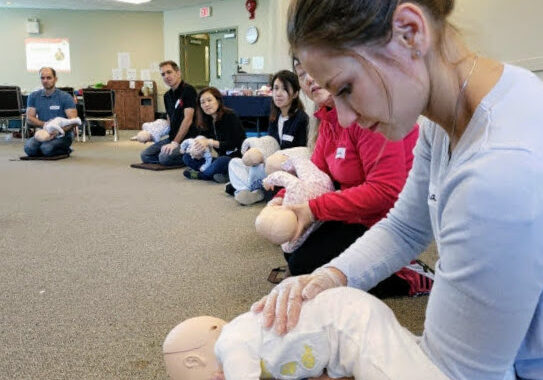
A first aid course student holding a baby CPR manikin. Emergency Child Care First Aid FAQs

Emergency Child Care First Aid FAQs

Are you a child care worker, parent, grandparent or babysitter living in the Coquitlam area? If so, you need first aid training. Red Cross Emergency Child Care First Aid & CPR B is the best course for you. Please read our Emergency Child Care First Aid FAQs, visit our Emergency Child Care First Aid page or contact us. We look forward to seeing you in one of our classes soon.

About Emergency Child Care First Aid & CPR Level B

Q: What is Emergency Child Care First Aid & CPR Level B?
Red Cross Emergency Child Care First Aid & CPR Level B is a one-day course introducing caregivers to injury prevention skills and knowledge. The class covers lifesaving first aid skills and cardiopulmonary resuscitation (CPR and AED) for children and babies. Emergency Child Care First Aid & CPR meets legislation and safety requirements for provincial/territorial early childhood education and child care workers. It is recognized by BC Child Care Licensing for child care workers and ECE students in British Columbia.

Q: Who should take Emergency Child Care First Aid & CPR B?
Emergency Child Care First Aid & CPR B is designed for child care workers and parents. Anyone caring for a baby or young child can benefit from this training, including siblings aged 12+, grandparents and adult babysitters.

Q: I am an Early Childhood Education (ECE) student. Is Emergency Child Care First Aid & CPR B the right first aid course for me?
Yes. Most ECE students take Emergency Child Care first aid & CPR B. You can confirm this with your school before registering for a first aid course.

Q: Does Red Cross Emergency Child Care first aid include CPR Level B?
Yes. The Canadian Red Cross Emergency Child Care first aid & CPR course includes CPR Level B.

Q: Does Emergency Child Care first aid include AED (defibrillator) training?
Yes. The Canadian Red Cross Emergency Child Care first aid & CPR course includes AED training.

Q: Are there any prerequisites for the Canadian Red Cross Emergency Child Care first aid course?
There are no prerequisites for the Canadian Red Cross Emergency Child Care course. Adults and children aged 12 years and up can take Red Cross Emergency Child Care first aid & CPR.

Q: How long is the course?
The Canadian Red Cross Emergency Child Care first aid & CPR course includes eight hours of training plus breaks. When you attend the course, expect to be at the course location for approximately nine hours. BC Child Care Licensing requires child care workers to take a first aid course which includes at least eight hours of instruction.

Q: What topics does Red Cross Emergency Child Care CPR B course include?

Red Cross Emergency Child Care First Aid includes the following topics:

  • The Red Cross
  • Responding to Emergencies
  • The EMS system
  • Check, Call, Care
  • Airway emergencies
  • Breathing and Circulation emergencies – Child and baby
  • First aid for respiratory and cardiac arrest – Child and baby
  • Wound care
  • Head, Neck and Spinal Injuries
  • Bone, Muscle, and Joint Injuries
  • Sudden Medical Emergencies
  • Environmental Illness
  • Poisons
  • Caring for Children

Emergency Child Care First Aid & CPR classes in Coquitlam

Q: Where can I find an Emergency Child care First Aid course schedule for Coquitlam classes?
Please click here for Emergency Child care First Aid courses in Coquitlam.


Private Group First Aid & CPR Training

Q: I run a child care centre, and my workers need first aid training. How can I book a group training session?
Please contact us about booking a private group Red Cross Emergency Child Care First Aid & CPR B course at our Coquitlam classroom. We will gladly provide information, including available dates and a quote for your training.


Emergency Child Care First Aid & CPR Training in BC

Q: According to the BC Child Care Licensing Regulation, what are the requirements for first aid training?
See Schedule C “First Aid” of the BC Child  Care Licensing Regulation

Q: Where can I find the BC Child Care Licensing Regulation?
BC Child Care Licensing Regulation Scroll down the document to “Schedule C” – First Aid.

Q: Are there any virtual classes for baby or child first aid and CPR?
BC Child Care Licensing does not accept online or virtual training in place of in-person first aid & CPR training. There are online courses for those looking to refresh their memory between first aid classes.


FAQ’s About CPR Levels

Q: What does Red Cross CPR level B cover?
Red Cross CPR level B covers skills for the infant (0-1 year) and child (1-8 years). If you work with older children, we recommend you take Standard First Aid & CPR Level C. This course covers skills for all age groups, including adults and meets BC Child Care Licensing requirements for child care workers.

Q: What level of CPR should I have if I care for children aged eight years and up?
People caring for children older than eight years need a course that includes CPR level C. CPR C covers skills for all ages – infant, child and adult. If you work with older children, we recommend you take Standard First Aid & CPR Level C.

Q: What is the difference between CPR levels A, B and C?
CPR A covers skills for adults only.
CPR B covers skills for babies and children aged 0-8 years.
CPR C covers skills for babies, children and adults.


First Aid & CPR Training for ESL Students

Q: English is not my first language. Can I get a book to study before my Red Cross first aid class?
Yes. When you have registered for your Red Cross first aid class, please ask us to email you a PDF of the course book.

Q: I need to take an Emergency Child Care First Aid & CPR with a Korean-speaking instructor. Can you help?
Yes. Our instructor, Lucy teaches classes for Korean students. Please contact us and we’ll put you in touch with her.

Q: What are the qualifications of a Red Cross Emergency Child Care First Aid instructor?
A Red Cross Emergency Child Care First Aid & CPR course is taught by a certified Red Cross First Aid Instructor or Red Cross Instructor Trainer.


Emergency Child Care First Aid & CPR Certification and Recertification

Q: What are the completion requirements for Red Cross Emergency Child Care First Aid?
To receive Red Cross Emergency Child Care First Aid certification, participants must:

  • Attend and participate in 100% of the Emergency Child Care First Aid course.
  • Successfully demonstrate skills and critical steps.
  • Achieve a minimum mark of 75% for the written knowledge evaluation.

Q: When will I get my certificate after completing my Emergency Child Care First Aid & CPR course?
Red Cross emails PDF certificates directly to students – usually within three days of the course date.

Q: How long is a Red Cross Emergency Child Care First Aid certification good for?
Red Cross Emergency Child Care First Aid certification is good for three years from the course date.

Q: Can I take a Red Cross Emergency Child Care First Aid recertification course to renew my certificate?
Child care workers in BC must take a course that includes eight hours of training to renew their certification. The BC Child Care regulation states that the certificate “is not renewable unless the holder, before the expiry date, participates in at least 8 hours of further instruction, at least 3.5 hours of which must be delivered in person, followed by an examination that includes demonstration and evaluation of the skills relevant to the matters described in section 2 of this Schedule (Schedule C of the BC Child Care Regulation.”

Even though the Canadian Red Cross offers a 6-hour recertification class, BC Child Care Licensing does not accept this. Therefore, Safe + Sound only provides the full course, not the recertification class.

Q: What materials do Emergency Child Care First Aid course participants receive?

  • Red Cross Emergency Child Care First Aid course participants receive:
    Red Cross Emergency Child Care First Aid & CPR B certificate (digital certificate issued upon successful completion)
  • CPR mask
  • The Canadian Red Cross “Child Care First Aid Manual” (eBook) is available for you to download upon completion of the class. Once certified, course participants can find digital manuals here: My Red Cross (myrc.redcross.ca) > My Profile > My Digital Books.

Questions About Emergency Child Care First Aid

Q: I have a question about Emergency Child Care First Aid.
If you can’t find the answer to your question in our Emergency Child Care First Aid FAQs on this page, please get in touch with us.

We look forward to chatting with you soon!

Ignoring Small Injuries Can Have Serious Consequences

Take care of cuts and scrapes — don’t end up like Bill

None of us want to go to the doctor or hospital unless we have to, so we need to take good care of ourselves. A small injury that becomes infected can lead to a life or limb-threatening condition. 

A friend nearly lost his leg from a neglected scratch

A few years ago, I’d brought my dad into the ER at Royal Columbian Hospital. While we were sitting in the waiting room, an old family friend, hobbled in with his wife. I could see that Bill was struggling to walk, and I asked what had happened. 

He said he’d hurt his leg and pulled up his pant leg to show us. I was horrified! His leg was severely swollen, and the skin had a nasty, blue mottled appearance. He told us that he’d scratched the back of his ankle and hadn’t thought much about it until it started to get sore. His leg had become red, swollen and increasingly painful, so he went to the doctor. The doctor sent him straight to the ER. Every day for the next two weeks, Bill’s wife had to drive him to the hospital for IV antibiotic treatment. The doctors told Bill he was lucky he hadn’t lost his leg. 

First aid for a small cut or scrape

  • Cover the wound first and clean around the injured area using mild soap and gauze or an antiseptic wipe. Do not use iodine, alcohol, or hydrogen peroxide.
  • Once the area around the wound is clean, clean the cut with running water.
  • Remove any slivers or gravel with alcohol-sterilized tweezers.
  • Blot dry with sterile gauze.
  • Small cuts usually stop bleeding quickly, but if the wound is still bleeding, apply firm, gentle pressure with gauze. If blood soaks through, put another piece of gauze on top. Don’t remove the old one, or you might start the bleeding again.
  • Once the bleeding has stopped apply a small amount of antibiotic cream to reduce the risk of infection.
  • Cover the wound with a sterile dressing and change it every 24 hours.
  • Keep the dressing clean and dry. If the dressing becomes wet or dirty, replace it immediately. 
  • If the skin under the bandage feels itchy, you may have an allergy to the adhesive used in some bandages. For sensitive skin, try switching to sterile gauze and paper tape, or an adhesive-free dressing.

If you see signs of infection, seek medical advice without delay.

Recognizing signs of Infection

Signs of an infection include:

  • swelling
  • redness that spreads out from the injury
  • increased pain or tenderness
  • the area feels hot or warm to touch
  • oozing pus or liquid
  • swollen lymph nodes in the neck, armpit, or groin
  • body aches chills and fever
  • slow healing or wound doesn’t seem to be healing at all

If you have any of these signs, seek medical advice.

April 28 National Day of Mourning – Don’t be the Reason Someone Lights a Candle

The National Day of Mourning, held annually in Canada on April 28, is dedicated to remembering workers who have lost their lives or suffered a work-related injury or illness.

Latest Statistics for British Columbia

WorkSafeBC report for 2018 shows:

  • 155,753 injuries
  • 190 work-related deaths
  • 50,000 short term disability claims
  • 2.9 million days lost from work

Young workers are particularly vulnerable

When I read the death and injury statistics each year, the section I always stop on is the one showing the injuries and deaths of young workers. According to CCOHS, in 2018, Canada, 27 young workers under 25 years of age died in workplace tragedies. Each death leaves a family devastated, and the lives of friends and co-workers deeply impacted.

I have an 18-year-old daughter and a 21-year-old son. The thought of either of them suffering a severe injury in the workplace is unbearable. I can’t imagine how the parents and families of young people who have lost their lives at work can manage to carry on.

Young people must get the right training for the job they are doing. They need to speak up if they don’t feel safe in their workplace or are uncomfortable with the task they have been asked to do because of a lack of knowledge or training.

Story of an injured young worker

In the words of Jack Thomas – an injured young worker:

“I always used to be one of those people that thinks it’s going to happen to somebody else, not myself. That’s not true at all.”

When Jack was 17, his sleeve got caught in a roller while cleaning around a sorting conveyor. Tragically, Jack lost his right arm. Watch this video to learn how Jack courageously came back from his injury.


Workers’ rights and employers’ responsibilities

Workers have the right to know the hazards in their workplace and participate in health and safety training. They also have the right to refuse unsafe work without fear of getting punished or fired.

Employers have a responsibility to provide adequate training for their workers and provide a safe workplace. Young workers often lack the confidence to speak up and ask for additional training. Employers must create an environment where workers feel comfortable to ask questions and share their concerns.

It only takes a second to suffer from a life-changing accident or injury.

Don’t become a statistic in next year’s WorkSafeBC report.

Don’t be the cause of a statistic in next year’s WorkSafeBC report.

Don’t be a reason for someone to light a candle.

workers providing first aid to injured co-worker

Legal Issues Around First Aid

Can I be sued for giving first aid?

Many people fear being sued for coming to the aid of someone with an injury. This same fear often prevents people from getting trained in first aid. You’ve probably heard the parable of the Good Samaritan. The clear message in this story is that assisting those in trouble is the right thing to do.

The law in every province in Canada encourages bystanders to give first aid. In BC, we have the Good Samaritan Act. It specifically protects, against liability, citizens and medical professionals who act in good faith to give emergency assistance to ill or injured persons at the scene of an emergency. Under these laws, a person providing first aid who acts reasonably and prudently under the conditions of an emergency cannot be held responsible for the injuries suffered by the victim.

There is no general legal duty to help someone in an emergency except for a person who is involved in a motor vehicle accident. That person must stop and give all possible assistance to the persons involved. A failure to do so could mean being charged under the criminal code.

First aiders must:

–          Get permission, if possible before giving care

–          Give only the care they were trained to provide

–          Continue giving care until another trained person takes over, they are too exhausted to continue, the scene becomes unsafe, or the person’s condition improves and care is no longer required.

Getting Permission to Help an Injured Person

–          For an unresponsive person, the law assumes you have permission

–          For a young child without a caregiver, provide care.

–          If a person refuses care call EMS/911 and stand by if it is safe to do so.

Duty to report Child Abuse or Neglect in Canada

Every adult in Canada has a legal duty to report child abuse or neglect, even if it is not confirmed. Information about how to report details can be found in your jurisdiction’s child protection act, but the duty to report is uniform in all acts. If you think a child is being harmed, then a report to child protection and /or the police needs to occur.

You never know when you are going to be called upon to assist in an emergency situation. It could be today.

Safe + Sound provides the following Red Cross courses:

Standard First Aid & CPR/AED (OFA Level 1 equivalent)

Emergency First Aid & CPR/AED (OFA Level 1 equivalent)

Emergency Child Care First Aid & CPR/AED Level B

Babysitting (for 11-15 year olds)

and Online Safety Training

Check our online course library

If you’re not sure which first aid/CPR course to take, please contact us and we’ll be happy to help.

Book a private class for your team or register for a course today.

Learn to save a life.