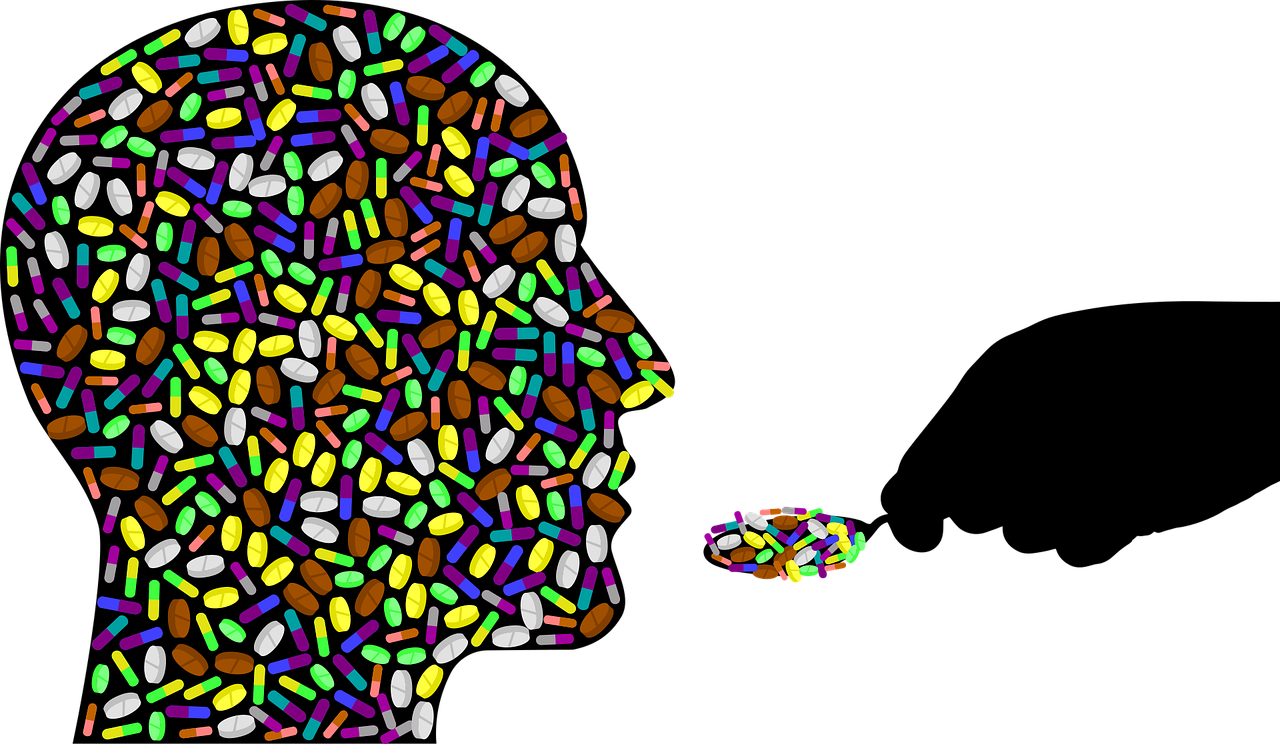
1. Pain management
During the week of my final exams at university, I had three wisdom teeth removed. The timing was unfortunate, but my teeth wouldn’t wait. The day after my teeth came out, I had an exam. From a corner of the auditorium ceiling, I remember looking down at myself working on my test. I have no idea what kind of painkillers the dentist gave me, but they were strong.
Years later, I took my teenaged son to have a wisdom tooth removed. The dentist prescribed Oxycodone-Acetaminophen for the pain. His advice was, “Take the pain meds straight away. Day three is the worst if you don’t keep up with painkillers. Don’t try to tough it out.”
Also known as Percocet, this medication controls pain but is highly addictive. In my son’s pill bottle, there were 24 tablets — twenty-four strong opioid pills for a sore tooth.
I cautioned my son about the dangers of opioids and advised him to switch to Tylenol sooner than later. Fortunately, his pain was short-lived, and he only took one of the Percocet tablets. His mouth healed quickly, and that was the end of the story. For others, a single prescription of opioid painkillers following an injury or operation can lead to the slippery slope of opioid misuse and sometimes, tragically, death.
According to the Mayo Clinic,
“The length of time you use prescribed opioids also plays a role in potential addiction. Researchers have found that taking opioid medications for more than a few days increases your risk of long-term use, which increases your risk of addiction. The odds you’ll still be on opioids a year after starting a short course increase after only five days on opioids.”
There’s a place for opioids in pain management; however, there are serious risks associated with their use. It’s critical we carefully consider these risks alongside their benefits. It’s up to us to ask questions, educate ourselves, and take responsibility for our health.
Doctors can provide information about pain management that doesn’t involve prescription opioids. Some options may work better and have fewer risks and side effects. These include pain relievers such as acetaminophen, ibuprofen, naproxen, physical therapy, exercise, and cognitive behavioural therapy.
What can we do?
- Ask questions about pain medications and avoid prescribed opioids. Before an operation or medical procedure, ask what painkillers the doctor or surgeon is planning to use. If they prescribe an opioid analgesic, ask what alternate drugs and pain management strategies are available.
- Search medicine cabinets for expired medications and take them to the local pharmacy for safe disposal.